Unearthing the Solution: A Guide to Effective Subterranean Termite Treatment
Estimated reading time: 10–15 minutes
Key Takeaways
- Subterranean termites, often called “silent destroyers,” cause significant hidden structural damage to homes and buildings.
- Effective subterranean termite treatment is crucial for protecting your property’s value, safety, and strength.
- Key professional methods include Chemical Barrier Treatments (using liquid termiticides like non-repellents with a “transfer effect”), Termite Baiting Systems (using slow-acting Insect Growth Regulators to eliminate colonies), and Direct/Spot Treatment for immediate threats.
- The best method for subterranean termites is always a customized plan, dependent on factors like infestation severity, property construction, environmental concerns, and budget.
- DIY attempts are ineffective and risky; professional underground termite control offers the necessary expertise, specialized equipment, comprehensive assessment, and warranties for lasting protection.
- Long-term prevention through moisture control, reducing wood-to-soil contact, eliminating wood debris, improving ventilation, and regular professional inspections is vital to safeguard your home.
Table of Contents
- Unearthing the Solution: A Guide to Effective Subterranean Termite Treatment
- Key Takeaways
- Understanding Subterranean Termites: The Silent Destroyers
- Key Approaches to Subterranean Termite Treatment
- Determining the Best Method for Subterranean Termites
- The Critical Role of Professional Underground Termite Control
- Prevention and Long-Term Protection Against Subterranean Termites
- Conclusion: Securing Your Home with Effective Subterranean Termite Treatment
- Frequently Asked Questions
Subterranean termites are often called “silent destroyers.” These tiny pests can cause huge damage without you even knowing it. They hide their work well.
These unseen enemies are a big problem for homes and buildings in many places. They can quietly chew away at your house’s structure, often going unnoticed until the damage is serious.
This makes effective subterranean termite treatment extremely important. It’s vital to protect your home’s value and keep it safe and strong. This guide will help you understand these hidden pests. We will look at different ways to control termites that live in the soil. We’ll also discuss what makes the best method for subterranean termites for your unique situation. You’ll learn how to safeguard your property with smart underground termite control strategies.
Understanding Subterranean Termites: The Silent Destroyers
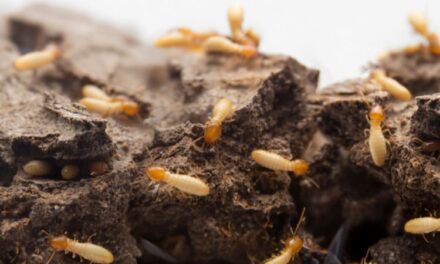
Let’s start by getting to know these tiny but powerful insects. Subterranean termites are social insects. This means they live in large, organized groups called colonies. These colonies can be huge, holding thousands to even millions of individual termites.
Their main home is the soil. They need to stay connected to the ground. This connection gives them the moisture they need to survive.
The Termite Colony Structure
A termite colony has a strict social system, much like a tiny city. Each termite has a specific job:
- Workers: These are the most numerous termites. They do all the hard work. They forage for food, build and repair the colony’s tunnels, and take care of the young termites.
- Soldiers: These termites have larger heads and strong jaws. Their job is to defend the colony against threats, mainly ants.
- Reproductives: This group includes the king and queen. The queen is responsible for laying eggs, helping the colony grow.
How Termites Forage for Food
Subterranean termites are always looking for food. They love cellulose, a material found in wood. This includes things like:
- Wood in your home (beams, floors, walls)
- Paper products
- Fabrics made from plants
To get to these food sources, they build special tunnels. These are called mud tubes. You might see them on foundation walls or inside crawl spaces. These mud tubes are very important. They protect the termites from dry air and hungry predators while they travel above ground.
The Challenge of Detection and Damage
The biggest challenge with these pests is their underground nature. They live and work mostly out of sight. This makes them very hard to detect. Termite infestations often stay hidden inside walls, under floors, and within your home’s foundation. Because they are so good at hiding, significant structural damage can happen before anyone even knows they are there.
They can cause severe damage to your home. This can range from weakening important support beams and floor joists to making the entire building less stable. This kind of hidden damage can be very costly to fix.
Because they hide so well, special underground termite control strategies are needed. These methods are designed to find and eliminate these unseen invaders effectively.
Key Approaches to Subterranean Termite Treatment
When it comes to protecting your home from these hidden pests, professionals use several proven strategies. This section will give you a full look at the main professional ways to get rid of termites that live in the ground. These methods are all forms of subterranean termite treatment designed to achieve lasting underground termite control.
3.1. Chemical Barrier Treatments (Liquid Termiticides)
This is a very common and effective way to deal with termites. It involves putting a special liquid chemical, called a termiticide, into the soil around and under your home’s foundation. This creates a solid chemical barrier.
The main goal is to build a wall of chemical that termites cannot get through. This stops them from reaching your house from their soil home.
How It Works: Application
Applying these chemicals is a precise job:
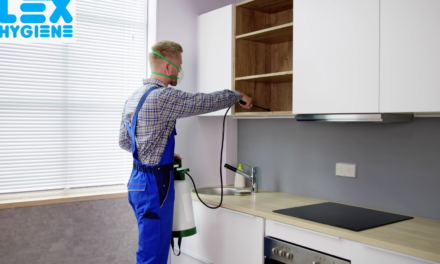
- Perimeter Application: Termiticides are injected into the soil right along the outside edge of your home’s foundation. This creates a protective zone around the entire structure.
- Sub-Slab Treatment: If your house has a concrete slab foundation, the experts might need to drill small holes through the slab. They then inject the termiticide underneath it. This makes sure the chemical barrier is complete, even under your floor.
- Utility Entry Points: Termites can also get into your home through openings where pipes, electrical wires, and other utilities enter the house. These spots also need careful treatment.
Types of Chemicals Used
There are two main types of liquid termiticides:
- Repellent Termiticides:
- How They Work: These chemicals create a barrier that termites can actually sense and will try to avoid. Think of it like a “no-go” zone for termites. They smell or feel the chemical and turn away, preventing them from entering the treated soil. This effectively seals off your home from them.
- Non-Repellent Termiticides:
- How They Work: These are now used more often. The key is that termites cannot detect them. Termites tunnel right through the treated soil without knowing it. As they move, the insecticide sticks to their bodies.
- “Transfer Effect”: This is where non-repellent termiticides are very clever. When termites covered in the chemical go back to their colony, they share it with other termites. This happens when they groom each other or feed each other (a process called trophallaxis). This means the chemical slowly spreads throughout the colony. It poisons termites over time, even those who never went into the treated soil themselves. This can eventually wipe out the entire colony, including the queen.
- Example: Fipronil is a very well-known and powerful ingredient used in these non-repellent treatments.
Effectiveness and How Long It Lasts
When a trained professional applies chemical barriers correctly, they offer strong and lasting protection. These treatments can often stay effective for five years or even longer, keeping your home safe from subterranean termite treatment attacks. This makes them a cornerstone of effective underground termite control.
3.2. Termite Baiting Systems
Termite baiting systems are another smart approach to subterranean termite treatment. These systems work by placing special bait stations into the ground around your property. Sometimes, they are even put directly into active mud tubes where termites are known to be.
How It Works: The Bait Stations
The process is designed to trick termites into carrying the treatment back to their colony:
- Bait Station Parts: Each station holds something that attracts termites, usually wood or another material rich in cellulose. Mixed with this attractant is a slow-acting chemical. This chemical is often an insect growth regulator (IGR) or another kind of poison.
- Foraging and Eating: Termites are always looking for food. They find these bait stations and start to feed on the bait inside.
- Colony Transfer: The chemical is designed to work slowly. This is very important. It gives the foraging termites enough time to take the bait back to their colony. They then share it with other termites, including the queen, through their social feeding habits (trophallaxis).
Mechanism of Action (Insect Growth Regulators – IGRs)
Insect Growth Regulators (IGRs) work by stopping the termites from completing their natural molting process. Molting is when an insect sheds its outer skin to grow. It’s a key part of their life cycle. By messing with this process, IGRs stop termites from growing into adult termites. This causes the colony’s numbers to slowly drop, leading to the entire colony being eliminated over time. This targeted underground termite control method is very effective for getting rid of the root of the problem.
Benefits of Baiting Systems
These systems offer several advantages:
- Less Invasive: They usually need less drilling into your foundation and less digging (trenching) around your house compared to chemical barriers.
- Reduced Chemical Use: They use much smaller amounts of active chemical, spread out in a targeted way.
- Environmentally Conscious: Many people see them as a greener choice. The chemical is contained within the bait stations, making the application very targeted and reducing its spread into the general environment.
Maintenance for Effectiveness
For baiting systems to work well, they need regular care. Professional monitoring and refilling of the bait are key. This ensures the system stays active and can successfully get rid of the termite colony.
3.3. Direct Termite Treatment / Spot Treatment
This method is about attacking termites exactly where they are found. Direct or spot treatment means applying liquid termiticides, foams, or dusts right into specific, active termite infestations inside your home.
This could be in places like:
- Inside walls
- Attics
- Crawl spaces
- Small soil areas where there’s a lot of termite activity
Purpose and Benefits
Spot treatment is often used along with larger treatments like chemical barriers or baiting systems. Its main purpose is to quickly stop immediate and very specific threats. It offers fast control in areas where termites are clearly visible, getting rid of that activity quickly.
Limitations
While good for quick fixes, spot treatment alone usually doesn’t give broad, long-term protection for your entire home. It won’t stop future infestations from other parts of the same colony or from new colonies. Therefore, it’s usually part of a bigger subterranean termite treatment plan.
Determining the Best Method for Subterranean Termites
A common question is: “What is the best method for subterranean termites?” The truth is, there isn’t one perfect solution for everyone. The most effective subterranean termite treatment plan is always custom-made. It depends on many specific things about your home and the termite problem.
Let’s look at the factors that help decide the right strategy:
Factors Influencing the Choice
- Severity of Infestation:
- Extensive/Active Infestations: If you have a widespread and active termite problem causing fast damage, you might need quick-acting methods. Chemical barriers or direct treatments can stop the damage quickly.
- Less Severe/Preventative Situations: For smaller problems or just to prevent termites, slower methods like baiting systems that aim to wipe out the whole colony can be very effective.
- Property Construction:
- Foundation Type: Whether your home has a concrete slab, a crawl space, or a basement makes a big difference. It impacts how easy or hard it is to access areas for treatment.
- Other Features: Things like having a well, nearby water sources, drainage issues, or thick landscaping around your home can also affect which methods are safe and practical.
- Environmental Considerations:
- Homeowner Concerns: You might have worries about using chemicals near your vegetable garden, kids’ play areas, or sensitive water sources.
- Choice Implication: Such concerns might make baiting systems seem better, as they use chemicals in a very contained way. However, modern non-repellent liquid termiticides are also designed to be safe for the environment when professionals apply them correctly.
- Budget:
- Cost Variation: The initial cost and ongoing expenses can differ between methods.
- Chemical Barriers: Often have a higher cost at the start but might give longer protection without immediate ongoing fees.
- Baiting Systems: Might have lower upfront costs, but they usually come with regular fees for monitoring and refilling the bait.
- Long-Term Effectiveness Goals: Both main methods, when done right and maintained, offer lasting protection. However, they work in different ways and need different types of ongoing care.
Comparative Analysis: Chemical Barriers vs. Baiting Systems
Let’s compare the two main options for underground termite control:
- Speed of Control:
- Chemical Barriers: Generally work faster. They immediately create a treated zone that either blocks termites or kills them when they touch it.
- Baiting Systems: Are slower. They rely on termites finding and eating the bait, then sharing it with the colony. But they aim for complete colony elimination.
- Invasiveness:
- Chemical Barriers: Often need drilling into concrete slabs and digging trenches around foundations to get the termiticide into the soil.
- Baiting Systems: Are usually less invasive. They involve placing small bait stations at ground level.
- Environmental Impact:
- Baiting Systems: Use much less active chemical spread out over an area. This often makes them seem more environmentally friendly.
- Modern Liquid Termiticides: Many non-repellent liquid termiticides are made to have a low impact on the environment when trained professionals follow the instructions carefully.
- Monitoring:
- Baiting Systems: Need regular, professional checks and bait refills to keep working.
- Chemical Barriers: Last a long time, but they also benefit from regular professional inspections to make sure the barrier is still strong and to catch any new termite activity.
Conclusion on the Best Method
In the end, the “best method” for your home is a personalized plan. A qualified pest control expert will develop it after a detailed inspection of your property. They will look at your specific termite problem, your home’s structure, and what is most important to you as the homeowner. This careful assessment is key to choosing the most effective subterranean termite treatment.
The Critical Role of Professional Underground Termite Control
When facing a subterranean termite treatment challenge, it’s very important to understand that doing it yourself (DIY) is often a big risk. Trying to get rid of termites on your own usually doesn’t work well. In fact, it can lead to bigger, more expensive, and more widespread problems down the road.
Reasons DIY Fails
DIY methods rarely work because they don’t achieve the thorough and precise application needed for real underground termite control. Termites are complex creatures. Their biology, their tricky ways of finding food, and their hidden colony structures demand expert knowledge that most homeowners don’t have. You might kill a few visible termites, but the hidden colony will likely keep growing and causing damage.
Expertise Required for Effective Treatment
Accurately figuring out what kind of termites you have, finding all the places they are getting in, and applying treatments safely and effectively requires special training and experience. It’s not a job for amateurs.
Benefits of Hiring Professionals
Choosing to hire professional pest control experts offers many advantages:
- Specialized Training & Knowledge: Professional technicians have deep knowledge of how termites behave, how buildings are constructed, and the best ways to treat infestations. They understand the different termite species and how to target them.
- Specialized Equipment: They use high-quality tools that are not available to everyone. This includes special drills, injection rods, and high-pressure pumps. These tools allow them to apply termiticides precisely and deeply where they are needed most.
- Comprehensive Assessment: Experts can identify things around your home that attract termites. They can accurately find hidden termite activity and figure out how big the infestation is. This detailed check helps them create the right plan.
- Tailored Treatment Plans: A professional will recommend and carry out the most suitable and effective treatment plan. This plan is custom-made for your specific property and termite problem, ensuring the best chance of success.
- Warranties & Monitoring: Reputable professionals often guarantee their work. They also offer ongoing monitoring as part of a complete treatment plan. This gives you long-term peace of mind and protection against termites coming back.
Prevention and Long-Term Protection Against Subterranean Termites
Even after a successful subterranean termite treatment, being proactive about prevention is vital for long-lasting protection. Homeowners can do a lot to reduce the conditions that attract termites and help them thrive. These measures are key to ongoing underground termite control.
Here are some important preventative steps:
- Moisture Control: Termites need moisture to live.
- Repair promptly: Fix any leaky pipes, dripping faucets, or air conditioning units that are dripping water near your home’s foundation.
- Ensure proper drainage: Make sure the ground slopes away from your foundation. This stops water from collecting around your house.
- Maintain gutters: Keep your gutters and downspouts clean. Make sure they direct water far away from your house.
- Reducing Wood-to-Soil Contact: Termites often enter homes where wood touches the ground.
- Ensure a gap: Make sure no wood parts of your house (like siding, porch supports, or deck posts) directly touch the soil.
- Maintain minimum clearance: Aim for at least a 6-inch gap between the soil and any wood elements of your house.
- Eliminate Wood Debris: Don’t leave things that termites like to eat near your home.
- Remove tree stumps, old lumber, firewood piles, and too much wood mulch from around your foundation. Any wood touching the soil can be a food source and an entry point for termites.
- Improve Ventilation:
- Make sure crawl spaces under your house are well-ventilated and stay dry. High humidity and moisture are very attractive to subterranean termites.
- Regular Professional Inspections:
- Importance: Even after a successful subterranean termite treatment, regular inspections are critical.
- Frequency: It’s a good idea to schedule professional termite inspections every year.
- Purpose: These checks make sure that any treatment already done is still working well. They also help catch any new termite activity or any gaps in your protective barrier before serious damage can happen. This is a very important part of keeping up with underground termite control.
Conclusion: Securing Your Home with Effective Subterranean Termite Treatment
The destructive power of subterranean termites means you need to act fast and make smart choices to protect your property. These hidden pests can silently cause major structural damage, making subterranean termite treatment an urgent concern for homeowners.
We’ve explored several effective methods, including advanced chemical barriers that create an invisible shield, and innovative baiting systems that eliminate entire colonies. While there are different options for underground termite control, the most reliable protection always comes from a tailored approach.
We strongly encourage homeowners to talk to qualified pest control professionals. They can provide a thorough inspection of your home and create a personalized treatment plan that fits your specific needs. Combining expert application with ongoing monitoring and smart preventative measures is the best way to secure your home against these hidden and destructive threats. This comprehensive strategy will provide you with lasting peace of mind, knowing your home is safe and strong.
Frequently Asked Questions
-
What are the primary types of professional subterranean termite treatment?
The main types include Chemical Barrier Treatments (using liquid termiticides, both repellent and non-repellent), Termite Baiting Systems (which use bait stations with slow-acting chemicals like IGRs to eliminate colonies), and Direct/Spot Treatments for localized infestations.
-
Why should I hire professionals for termite control instead of doing it myself?
Professional termite control is crucial because DIY methods often fail to address the hidden, complex nature of termite colonies. Professionals possess specialized training, equipment, and knowledge to accurately identify infestations, apply treatments safely and effectively, and provide comprehensive plans with warranties, ensuring long-term protection.
-
How long can a chemical barrier treatment effectively protect my home?
When applied correctly by a trained professional, chemical barrier treatments can offer strong and lasting protection, often remaining effective for five years or even longer. Regular professional inspections are still recommended to ensure the barrier’s integrity and detect any new activity.
-
What preventative measures can I take to reduce the risk of subterranean termites?
Key preventative steps include controlling moisture (fixing leaks, ensuring proper drainage), reducing wood-to-soil contact (maintaining a gap between soil and wood structures), eliminating wood debris (removing stumps, firewood, excessive mulch), improving crawl space ventilation, and scheduling regular professional termite inspections.