Red Ant Control: Comprehensive Strategies for Effective Fire Ant Treatment and Ant Bites Prevention
Estimated reading time: 10–12 minutes
Key Takeaways
- Invasive fire ants (*Solenopsis invicta* and *Solenopsis richteri*) pose significant health risks due to painful stings and potential severe allergic reactions.
- Effective control involves an Integrated Pest Management (IPM) approach, combining DIY methods like baits and contact insecticides with professional services for extensive infestations.
- Ant baits work systemically to eliminate entire colonies, while contact insecticides offer quick, targeted mound treatment.
- Crucial prevention strategies include wearing protective clothing, regular yard maintenance, sealing home entry points, and eliminating food/water sources.
- Immediate first aid for stings is essential, but be aware of severe allergic reaction symptoms that require urgent medical attention.
Table of Contents
- Understanding the Red Ant Threat: Why Fire Ant Treatment is Key
- Strategies for Effective Red Ant Control
- DIY Fire Ant Treatment Options
- Professional Red Ant Control Services
- Ant Bites Prevention: Staying Safe and Protected
- What to Do If You Are Bitten by Fire Ants
- Choosing the Right Red Ant Control Plan
- Conclusion
Red ants are more than just tiny critters; they can be a big problem. We are talking about invasive fire ants, specifically the imported fire ant species like Solenopsis invicta and Solenopsis richteri. These small but mighty insects cause a lot of trouble and health risks in many places, especially in the warm southern parts of the United States.
Their stings are very painful. They cause discomfort, and for some people, even serious allergic reactions. These tiny pests can make it hard to enjoy being outside and can even cause problems for your home or yard. That’s why good red ant control is super important for keeping these bothersome pests in check.
This blog post will help you understand the danger these ants bring. We’ll explore different ways to get rid of them, from things you can do yourself (fire ant treatment options) to when it’s best to call in experts. We’ll also share smart ways to keep yourself and your family safe by using important ant bites prevention strategies.
Understanding the Red Ant Threat: Why Fire Ant Treatment is Key
Red ants, often called imported fire ants (or IFAs), are very aggressive insects. They are famous for building their dome-shaped nests, called mounds, and for their painful, venomous stings. Dealing with these tiny terrors is a big part of managing pests in many areas.
What are Red Ants?
Imported fire ants are typically reddish-brown to black. They are quite small, usually about 1/8 to 1/4 inch long. But don’t let their size fool you! They live in huge groups called colonies, which can have hundreds of thousands of ants.
You can often find their mounds in many places. Look for them in:
- Lawns and gardens.
- Farm fields and parks.
- Playgrounds where children play.
- Sometimes, they even move into homes, especially after lots of rain or very dry weather.
These tiny invaders are a true nuisance, and knowing their habits is the first step in effective red ant control.
Primary Problems Caused by Fire Ants
Fire ants aren’t just annoying; they cause real problems. Understanding these issues highlights why proper fire ant treatment is so necessary.
Painful Stings
If you accidentally disturb a fire ant mound, the ants will quickly swarm out and sting many times. Their venom causes a strong burning feeling, almost like fire. A day or two later, small white bumps, called pustules, will appear where you were stung. These can be very itchy. If you scratch them, they might break open and get infected by germs.
Potential Allergic Reactions
Most people just feel pain and itching. However, about 1 or 2 out of every 100 people can have a very serious allergic reaction called anaphylaxis. This is a medical emergency and needs help right away.
Signs of a severe allergic reaction can include:
- Swelling all over the body.
- Itchy red bumps (hives).
- Feeling sick to your stomach or throwing up.
- Stomach cramps or diarrhea.
- Chest pain or trouble breathing.
- Feeling dizzy or going into shock.
Disruption to Outdoor Activities
Fire ant mounds make outdoor spaces unsafe and unpleasant. Imagine trying to play soccer or have a picnic only to find dangerous ant hills everywhere. They can stop people from enjoying:
- Recreational activities.
- Sports.
- Gardening and yard work.
These pests truly disrupt our outdoor fun, emphasizing the need for robust pest management.
Damage to Property
While less common, fire ants can also cause damage to property. They might:
- Infest electrical boxes or outdoor equipment, sometimes causing short circuits.
- Harm young plants in gardens.
- Even attack small animals, which can be very dangerous for them.
(Sources: Texas A&M AgriLife Extension, USDA Agricultural Research Service, CDC)
Strategies for Effective Red Ant Control
Dealing with fire ants effectively means using smart methods. Good fire ant control often involves something called an Integrated Pest Management (IPM) approach. This means using a mix of different strategies to get the best results for your specific problem. This combined approach is key to tackling fire ants and keeping them away.
Overview of Available Approaches
You have two main choices when it comes to battling fire ants:
- Do-It-Yourself (DIY) Methods: These are great for dealing with a few specific mounds or smaller ant problems in your yard. But you must be careful to pick the right products and use them exactly as directed for safety and success.
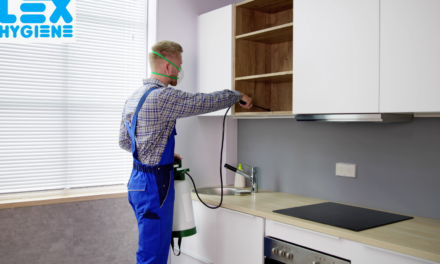
- Professional Pest Control Services: These experts are usually the best choice for very large ant problems, if the ants keep coming back, if you have a big property, or if you’re worried about safety. Professionals have special tools and stronger ant-killing products that you can’t buy in stores. They are truly experienced in ant eradication.
DIY Fire Ant Treatment Options
If you have a localized fire ant problem, there are several effective ways to begin fire ant treatment yourself. Remember, choosing the right method depends on your specific needs and safety concerns. This proactive approach to red ant control can be very satisfying.
Baits: A Smart Approach to Ant Elimination
Ant baits are a very popular and often friendly way to deal with fire ants. They are designed to be eaten by the ants.
- How They Work: Baits are made of an ant-killing substance mixed with something ants love to eat, often soybean oil. Worker ants pick up this “food” and carry it back to their colony, sharing it with other ants, including the queen. The poison works slowly, allowing it to spread throughout the entire colony. Eventually, it kills the queen and most of the ants, wiping out the colony. This slow action makes them very effective for overall ant elimination.
- Types of Baits:
- Granular Baits: These look like small pellets. You spread them over larger areas, like your whole yard.
- Liquid Baits: These are often used in special bait stations, which help keep the bait safe from rain and other animals.
- Active Ingredients: The “killing” part of the bait can be different things:
- Insect Growth Regulators (IGRs): These chemicals, like methoprene or pyriproxyfen, stop the queen from making new ants. This stops the colony from growing.
- Metabolic Poisons: These substances, such as hydramethylnon, indoxacarb, or fipronil, mess up the ants’ bodies and how they get energy, slowly killing them.
- Strategic Placement: To get the best results when applying baits:
- Apply them when ants are busy looking for food. This is usually when the ground is warm, between 65 and 90 degrees Fahrenheit, from late morning to early evening.
- Make sure the ground is dry. Rain can wash away the bait or make it less attractive to ants.
- Spreading bait all over your yard (called broadcast application) is a great way to stop new mounds from popping up. This helps with long-term red ant control.
- Safety: Always read the instructions on the bait package very carefully. Keep the bait away from children and pets during and after you apply it. Store all bait products safely where kids and animals can’t reach them.
Contact Insecticides (Mound Treatments): Quick Ant Elimination
Contact insecticides are designed to kill ants quickly when they touch the product or are directly exposed to it. These are usually used for specific mounds that are causing trouble. This method offers fast ant elimination for visible colonies.
- Description: These products come in different forms, such as sprays, dusts, or granules. You apply them right onto and around the ant mound. Common ingredients often include pyrethroids (like permethrin, bifenthrin, or lambda-cyhalothrin) or carbamates (like carbaryl). These chemicals are potent for direct fire ant treatment.
- Application:
- Always follow the directions on the product label closely.
- Make sure you use enough product to completely soak the mound.
- It’s important not to disturb the mound before you treat it. If you poke it, the ants will swarm out and could sting you.
- Safety Precautions:
- Wear protective gear like gloves and long-sleeved shirts when using these products.
- Avoid breathing in the dust or spray.
- Keep children and pets away from the treated area until it is completely dry.
- Be careful to prevent the product from washing into drains or bodies of water.
Natural and Organic Methods: Gentle Fire Ant Treatment
Some people prefer to use more natural ways for fire ant treatment. While these methods are often seen as gentler, their effectiveness can vary.
- Boiling Water: Pouring several gallons of boiling water directly into an ant mound can kill many ants, possibly even the queen, if the water reaches her.
- Pros: It’s cheap and readily available.
- Cons: It can kill plants around the mound, and it might not kill all the ants in very large colonies. It’s often not a complete colony extermination.
- Diatomaceous Earth (DE): Food-grade DE is a fine powder made from tiny fossilized water creatures. It works by drying out the ants’ bodies.
- How it works: It needs to stay dry to be effective.
- Limitations: It generally works slower and is less effective for large ant problems or for widespread red ant control.
- Citrus Oils (e.g., d-limonene): Some natural ant-killing products contain extracts from citrus fruit peels. These can be toxic to ants.
- Efficacy: They often need to touch the ants directly to work, and their effectiveness can be hit or miss.
- Limitations of Natural Methods: Generally, natural solutions are not as strong for widespread ant problems and you might need to use them many times. They are often a slower form of pest management.
- Efficacy and Safety: Even though they are called “natural,” some of these products can still bother your skin or eyes if you don’t use them correctly. Always look up how well they work and follow all safety tips.
(Sources: University of Florida IFAS Extension, Clemson University Extension, EPA, National Pest Management Association (NPMA))
Professional Red Ant Control Services
Sometimes, the ant problem is just too big or too tricky to handle on your own. That’s when expert help for red ant control becomes a smart choice. Professionals have the tools and knowledge for thorough ant eradication.
When to Consider Hiring Experts for Fire Ant Treatment
It’s a good idea to call in the pros for fire ant treatment if:
- You have many ants, they are spread out everywhere, or your DIY methods haven’t worked.
- The ants are nesting in hard-to-reach places, like inside walls or in your attic.
- Someone in your home has severe allergic reactions to ant stings, making ant bites prevention a critical safety concern.
- You need consistent, long-lasting relief from stings across a large property.
- You are worried about safely handling strong ant-killing products.
These situations call for the specialized skills of professional pest control experts.
What Professional Services Typically Involve
When you hire a professional service, here’s what you can usually expect:
- Inspection: The experts will thoroughly check your property. They will find out how bad the ant problem is, locate all the mounds, and even figure out exactly which type of ant you have. This helps them create a precise pest management plan.
- Targeted Treatments: Professionals use many different ways to get rid of ants. They often use broadcast bait applications, which are spread over large areas. They might also use stronger, special ant-killing sprays or dusts directly on mounds. Plus, they can put treatments around the outside of your house to stop ants from coming in. These are often restricted-use insecticides not available to the public.
- Ongoing Management Plans: Many services offer regular visits, perhaps every three months or twice a year. These recurring treatments help keep the red ant control going strong. They stop new ant problems from starting and make sure your property stays free from these biting pests, providing long-term ant bites prevention.
(Sources: University of Florida IFAS Extension, Clemson University Extension, EPA, National Pest Management Association (NPMA))
Ant Bites Prevention: Staying Safe and Protected
The best way to avoid painful fire ant stings is to stop them from happening in the first place. Prevention is truly the key to minimizing encounters with these aggressive insects. By taking proactive steps, you can significantly boost your ant bites prevention efforts.
Personal Protection: Your First Line of Defense
Keeping yourself safe when you’re outside means being prepared and aware.
- Wearing Appropriate Protective Clothing: Whenever you are working or playing in areas where fire ants might be, dress smart. Wear long sleeves, long pants (tuck them into your socks or boots), and closed-toe shoes. This creates a physical barrier against ant attacks and is a simple but effective sting protection strategy.
- Using Insect Repellents Effectively: Most common bug sprays (like those with DEET or picaridin) don’t work very well against fire ants for long periods. The best way to prevent stings is to simply avoid touching the ants or their mounds. Don’t rely too heavily on repellents for fire ant protection.
- Maintaining Vigilance: Always look carefully where you are walking, sitting, or putting your hands. This is especially important in grassy areas or places where the ground looks disturbed.
- Never step on or disturb ant mounds.
- Teach children how to recognize fire ant mounds and explain why they should always stay away from them. This active awareness is crucial for avoiding stings.
Home and Yard Prevention: Securing Your Space
Keeping your home and yard tidy can make a big difference in preventing fire ants from settling in or coming inside. These practices are part of a good overall red ant control plan.
- Regular Yard Maintenance: A well-kept yard is less appealing to fire ants.
- Mow your lawn often. Shorter grass makes ant mounds easier to see.
- Clear away piles of leaves, branches, or other yard debris. Ants love to nest in these spots.
- Trim bushes and tree branches that are touching your house. These can act like bridges for ants to get inside.
- Sealing Cracks and Entry Points: Check your home’s foundation, windows, and doors. Look for any tiny cracks, gaps, or unsealed openings.
- Fill these with caulk or use weatherstripping. This stops ants (and other pests) from finding a way into your house, offering crucial home defense.
- Eliminating Food and Water Sources: Ants are always looking for food and water.
- Clean up any food spills right away, both inside and outside your home.
- Store all your food in containers that seal tightly.
- Keep pet food bowls clean and store pet food in sealed bins.
- Fix any leaky faucets or pipes.
- Get rid of any standing water around your house, as ants need water to survive.
(Sources: CDC, OSHA, Texas A&M AgriLife Extension)
What to Do If You Are Bitten by Fire Ants
Even with the best ant bites prevention, stings can still happen. Knowing what to do right away can help make the experience less painful and prevent more serious problems. Quick action is part of good sting management.
Immediate First Aid for Fire Ant Stings
If you get stung by fire ants, follow these steps right away:
- Move Away from the Ant Mound: The first thing to do is quickly get away from the area where you were stung. Gently brush off any ants that are still on you to prevent more stings.
- Clean the Area: Wash the skin where you were stung with soap and water. This helps keep the area clean and can prevent germs from causing a secondary infection.
- Apply Cold Compresses: Put an ice pack or a cold, wet cloth on the sting area. This can help bring down swelling and lessen the pain.
- Use Anti-Itch Creams: Over-the-counter creams like hydrocortisone or calamine lotion can help stop the itching. You can also take an oral antihistamine, like diphenhydramine (Benadryl), which can reduce itching and swelling all over your body.
- Avoid Scratching: It’s super important not to scratch the white bumps (pustules) that form. If you scratch them, they can break open, which makes it easy for germs to get in and cause a bacterial infection.
When to Seek Medical Attention
While most fire ant stings can be treated at home, some situations require a doctor’s help or even emergency medical attention.
- Signs of a Severe Allergic Reaction (Anaphylaxis): This is a very serious medical emergency. If you experience any of these symptoms, call 911 immediately:
- Trouble breathing or wheezing.
- Swelling of your face, lips, throat, or tongue.
- Feeling dizzy, lightheaded, or suddenly weak.
- A very fast heartbeat or heart palpitations.
- Hives, a rash, or widespread itching all over your body, not just where you were stung.
- Feeling sick to your stomach, throwing up, stomach cramps, or diarrhea.
- Feeling confused or losing consciousness.
- Severe Localized Reactions: If the swelling or redness around the sting site gets very large or lasts for many days, you should see a doctor.
- Signs of Infection: Watch out for signs that the sting area might be infected. This includes:
- More pain, redness, or warmth.
- Pus coming from the sting.
- A fever.
- Multiple Stings: Getting stung by a very large number of fire ants can sometimes cause a toxic reaction, even if you are not severely allergic. If you have many stings, it’s a good idea to seek medical advice.
(Sources: Mayo Clinic, CDC, American Academy of Allergy Asthma & Immunology (AAAAI))
Choosing the Right Red Ant Control Plan
Picking the best way to handle fire ants means thinking about a few important things. This helps you choose a strategy that is safe, works well, and is good for the environment. A well-thought-out fire ant treatment plan is essential for effective red ant control.
Summary of Factors to Consider
To find the most effective pest management plan for your situation, ask yourself these questions:
- How bad is the ant problem? If you only have a few mounds, you might be able to handle them yourself with mound treatments or baits. But if there are ants everywhere, or if they keep coming back, you’ll likely need professional help or a widespread bait application.
- Is it safe for pets and children? Always choose products that are less harmful, or use them in ways that keep kids and pets away. Baits, when used correctly, are often safer than sprays that kill on contact. Safety is a big part of ant bites prevention.
- What’s your budget? Doing things yourself might seem cheaper at first. But for a very bad ant problem, professional services might actually save you money in the long run because they are more effective.
- What about the environment? Try to pick methods that won’t harm other bugs (the good ones!) or get into water sources. Baits generally have less impact on the environment than broad-spectrum sprays.
- How fast do you need results? Sprays that kill on contact work quickly to get rid of a specific mound. But they don’t get the whole colony. Baits take longer but offer more complete and lasting colony extermination.
- How many ants can you live with? If you don’t want to see any ants, you’ll need a very strong and regular control plan.
- How much time do you have? DIY methods need you to put in effort and check often. Professional services offer more convenience.
Emphasize the Importance of a Multi-faceted Approach
The very best way to keep fire ants away for a long time often involves using a mix of strategies. This integrated approach offers the best long-term red ant control:
- Broadcast Bait Applications: Spread ant baits across your entire yard twice a year, usually in the spring and fall. This helps to lower the total number of ants in your area. This is a primary fire ant treatment method.
- Targeted Mound Treatments: Use contact insecticides or even boiling water on specific mounds that pop up between your bait applications. This deals with immediate problems.
- Consistent Ant Bites Prevention: Always keep up with yard work, clean up food, and seal any cracks in your home. These preventative steps help stop new ant problems from starting.
(Sources: University of Georgia Extension, EPA)
Conclusion
Taking thoughtful and informed action for red ant control is absolutely vital. It helps you keep your living space safe, comfortable, and enjoyable, especially if you live in places where fire ants are common. Don’t let these pests ruin your outdoor fun or peace of mind.
By understanding the real danger these aggressive insects pose, by using smart fire ant treatment methods, and by carefully practicing ant bites prevention, you can greatly reduce the problems fire ants cause for your home and your family’s health.
Whether you choose to tackle the problem yourself with strategic DIY solutions or bring in the expertise of professional pest control services, remember that combining different methods offers the best chance for long-term success. A multi-faceted approach truly provides the most comprehensive ant eradication.
Empower yourself with reliable knowledge, look into the specific products that fit your needs, and don’t hesitate to reach out to a local pest control expert for personalized solutions to your unique ant challenges.