The Ultimate Guide to Drywood Termite Treatment: Identifying & Eliminating Drywood Infestations
Estimated reading time: 12–15 minutes
Key Takeaways
- Drywood termites are a significant threat to homes, especially in warm climates, as they don’t require soil contact.
- Early identification is crucial; look for *frass* (fecal pellets), kick-out holes, and discarded wings.
- Treatment options range from *whole-structure solutions* like fumigation and heat treatment for widespread infestations to *localized methods* for specific problem areas.
- Choosing the right treatment depends on the severity of the problem, budget, and environmental concerns.
- Prevention is key: seal cracks, paint exposed wood, eliminate moisture, and conduct regular inspections to avoid future infestations.
Table of Contents
- The Ultimate Guide to Drywood Termite Treatment: Identifying & Eliminating Drywood Infestations
- Key Takeaways
- What Are Drywood Termites? Understanding the Enemy
- Identifying a Drywood Infestation: Signs to Look For
- Comprehensive Drywood Termite Treatment Options
- Choosing the Right Drywood Termite Treatment
- Preventing Future Drywood Infestations
- Conclusion
- Frequently Asked Questions
Drywood termites are a big problem for homes, especially in places that are warm. These tiny pests are a major threat, and often, you don’t even know they are there. Unlike some other termites, drywood termites don’t need soil to live. This means that drywood termite treatment is a special kind of challenge.
A drywood infestation can grow slowly and silently for many years. They cause a lot of damage before anyone even sees them. Because of this, it’s super important to know about them and act fast if you think you have them.
This guide will teach you all about these pests. You’ll learn how to spot them, understand the different ways to deal with a drywood infestation, and make smart choices to keep your home safe.
What Are Drywood Termites? Understanding the Enemy
Before we talk about getting rid of them, let’s learn about what drywood termites are. Knowing your enemy helps you fight them better!
Definition of Drywood Termites
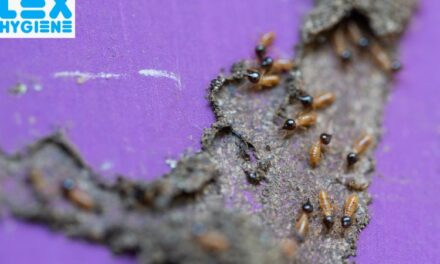
Drywood termites are a group of termites that live completely inside dry wood. They don’t need to touch the soil or get water from outside sources. They get all they need from the wood itself. (Source: University of Florida IFAS Extension)
Think of them like tiny wood-eating insects that make their whole home inside your wooden beams or furniture. They are different from other termites that live in the ground.
Distinguishing Features of Drywood Termites
It’s helpful to know how to tell drywood termites apart from other bugs, or even other kinds of termites.
- Size: Drywood termites are usually bigger than subterranean termites, which are the ones that live in the soil. (Source: U.S. Environmental Protection Agency (EPA))
- Soldier Termites: The soldier termites, who protect the colony, have large, strong jaws that look like they have teeth. Their heads are often shaped more like a rectangle.
- Reproductive Termites (Swarmers): These are the termites with wings that fly out to start new colonies. Their wings are usually dark and smoky-colored. They have a special pattern of veins that you can see. These flying termites are a clear sign of an active termite colony nearby.
Habitat and Behavior of Wood-Dwelling Pests
These termites have a unique way of living and building their homes.
- Inside the Wood: Drywood termites make their colonies right inside the wood they eat. They create tunnels, called galleries, that follow the natural lines of the wood grain. They live, eat, and raise their young all within these wooden tunnels.
- Slow Growth, Smaller Colonies: Drywood termite colonies grow very slowly. They are also much smaller than subterranean termite colonies. A drywood colony might have hundreds to a few thousand termites. Subterranean colonies can have hundreds of thousands or even millions! (Source: University of California Agriculture & Natural Resources) Even though their colonies are smaller, they still pose a big problem for your home.
Threat to Structures from a Drywood Infestation
Don’t let their smaller colony size fool you. A drywood infestation is a serious threat.
Imagine this: even though each colony is small, many different drywood termite colonies can infest a single house at the same time. Each colony works independently, munching away at the wood. Over time, all these small groups working together can cause very severe structural damage.
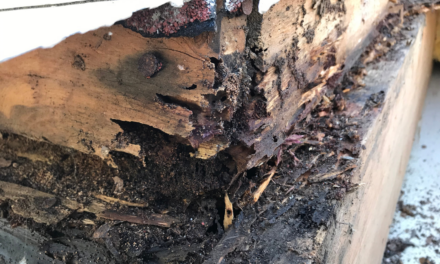
They target all sorts of wooden parts of your house. This includes the big wooden beams that hold your house up, your furniture, your floors, and any other wooden items. These pests can slowly turn the inside of solid wood into a network of tunnels, making it weak and unsafe. That’s why spotting a drywood problem early is so important.
Identifying a Drywood Infestation: Signs to Look For
Finding termites early is key to getting rid of them without too much trouble. Knowing the signs of a drywood infestation can save you a lot of money on repairs. It helps you get the right drywood termite treatment quickly.
Here are the signs you should look for:
Fecal Pellets (Frass) – A Key Indicator
This is often the clearest and most common sign of drywood termites.
- What it is: Drywood termites push out their waste, which we call “frass.” Frass looks like tiny, hard pellets. Each pellet is very small, less than 1/32 of an inch long. They are shaped like tiny hexagons, almost like a six-sided grain of sand. (Source: University of Florida IFAS Extension)
- Color: The color of the frass can be different depending on the kind of wood the termites are eating. But usually, all the pellets in one pile will be the same color. You might see light brown, dark brown, or even reddish pellets.
- Where to find it: You will typically find these piles of frass on floors, windowsills, or on furniture. They will be directly underneath the piece of wood where the termites are living and pushing out their waste. If you see tiny piles of what looks like sawdust or sand, look closer – *it might be frass!*
Kick-Out Holes – Termite Exit Points
Termites don’t just eat; they also need to get rid of their waste.
- Appearance: These are very tiny holes in the wood, usually about 1/16 of an inch wide. Termites use these holes to push out their frass.
- Hard to Spot: When the termites are not using them, they often plug these holes with a hard paste made from their waste. This makes them *very hard to see*. You might need to look very closely at wooden surfaces, especially in quiet areas like attics or unused rooms.
Discarded Wings – Evidence of a Termite Swarm
When drywood termites fly out to start new colonies, they leave a clue behind.
- After a Swarm: After the winged termites (called alates or swarmers) fly out, they shed their wings. You might find these wings near windows, doors, or other places where light comes in, as swarmers are attracted to light.
- Appearance of Wings: These wings are often clear to smoky-brown in color. They are usually all the same size. You might find them caught in spider webs or just lying on surfaces. Finding these wings is a sure sign that an active drywood infestation is nearby.
Hollow-Sounding or Damaged Wood – Listening for Trouble
Sometimes, you can hear or feel the damage they cause.
- Hollow Sound: If you tap on a piece of wood that might be infested, it could sound *hollow inside*. This means the termites have eaten away the wood, creating tunnels and open spaces.
- Visible Damage: In very bad cases, the surface of the wood might start to look bubbly or blistered. You might see cracks appear, or in extreme cases, the wood could even collapse if it’s too weak.
Swarmers – Live Termites in Your Home
Seeing live termites is a very clear sign.
- What to Look For: If you see live winged termites (swarmers) flying out of wood, especially inside your home, it’s a definite sign of an active drywood infestation.
- When They Appear: Swarming usually happens during certain times of the year. This depends on where you live and the specific type of drywood termite. Seeing them means a colony is mature and trying to spread.
Recognizing these signs early is your best defense against serious structural damage and makes drywood termite treatment much more manageable.
Comprehensive Drywood Termite Treatment Options
So, you’ve found signs of drywood termites. What next? Drywood termite treatment methods generally fall into two main groups: those that treat the whole house and those that target specific spots. Each method has its own uses and things to think about.
Whole-Structure Drywood Termite Treatment for Widespread Issues
These methods are used when the drywood infestation is widespread throughout the house or when the termites are in places that are hard to reach. They are the best way to make sure all termite colonies in a building are gone.
Fumigation – Tenting Your Home
Fumigation is a serious but very effective way to get rid of termites.
- Definition: This method means covering your entire house with giant tarpaulins, like putting a big tent over it. Then, a special gas (called a gaseous pesticide, often sulfuryl fluoride) is released inside. This gas gets into all the wooden parts of your house, even deep inside, to kill hidden termites. (Source: U.S. Environmental Protection Agency (EPA)) This gas is a potent pest control solution for extensive infestations.
- Process:
- Tenting: The building is completely covered and sealed with tarpaulins to trap the gas.
- Gas Release: A precise amount of the fumigant gas is released into the sealed structure.
- Exposure Time: The gas stays in the building for about 24 to 72 hours. This gives it enough time to reach and kill all the termites, including eggs, larvae, and adults.
- Aeration: After the treatment, the building is opened up and aired out completely. Special equipment checks to make sure the gas is gone and it’s safe for people to come back inside.
- When Necessary: Fumigation is usually recommended for *very bad* drywood infestation problems. This includes when termites are in many parts of the house, when you can’t reach the termites easily, or when there are multiple termite colonies.
- Pros (Good Points):
- Highly Effective: It’s one of the most effective methods for eliminating all drywood termites in a structure.
- Deep Penetration: The gas can get into every crack and crevice, killing termites that other treatments might miss.
- Kills All Stages: It kills termites at all stages of their life, from eggs to adult insects.
- Cons (Bad Points):
- Vacating Premises: You, your family, and your pets must leave the house for several days.
- Costly: It’s usually one of the most expensive drywood termite solutions.
- No Residual Protection: Once the gas is gone, it doesn’t leave any protection behind. New termites could infest the house again in the future.
- Extensive Preparation: You have to remove all food, medicines, and plants from the house, and sometimes open certain cabinets.
Heat Treatment – Cooking the Termites Out
Heat treatment is a non-chemical way to kill drywood termites.
- Definition: This method involves heating up infested areas or even the entire house to very high temperatures. We’re talking about 120-130°F (49-54°C). These high temperatures are then kept for a certain amount of time to make sure all termites die. (Source: University of California Agriculture & Natural Resources) This is a non-toxic approach to eradicate these structural pests.
- How it Works:
- Special Heaters: Pest control experts use special heaters to raise the temperature of the air in the house or just in the parts that have termites.
- Temperature Monitoring: Sensors are placed inside the wood to make sure the core temperature of the wood reaches and stays at the lethal level for termites. This ensures the wood-boring insects cannot survive.
- Benefits (Good Points):
- Non-Chemical: No pesticides or chemicals are used, which is good for people concerned about chemical exposure.
- Same-Day Re-entry: You can usually go back into your house on the same day the treatment is done. This means less disruption to your life.
- Effective for Accessible Infestations: Works well when the infested areas can be heated thoroughly.
- Limitations (Things to Consider):
- Thick Wood: It can be hard to get very thick wood or an entire large house to the right temperature evenly.
- Heat-Sensitive Items: You need to remove things that can be damaged by heat, like certain plastics, candles, or artworks.
- Cost: It can also be quite costly, similar to fumigation in some cases.
Localized Drywood Termite Treatment for Specific Spots
These methods are used when you have small, easy-to-find drywood infestation spots. They target only the areas where the termites are.
Direct Wood Treatment (Including Drywood Termite Spray)
This involves putting treatments directly into or onto the wood where the termites live. This method offers specific termite control.
- Definition: These treatments directly apply special bug-killing liquids or other substances right into or onto the wood that has termites. It’s a targeted approach to deal with localized pest activity.
- Types of Drywood Termite Spray/Products:
- Borates: These are like special salts (such as disodium octaborate tetrahydrate). They can be sprayed onto the wood as a liquid drywood termite spray or put in as a foam. Borates soak into the wood. When termites eat the treated wood, the borates act as a poison in their stomach and also scratch them up. A great thing about borates is that they stay in the wood, offering protection for a long time. This provides lasting protection against wood-destroying insects.
- Insecticides: These are liquid chemicals (like fipronil or imidacloprid) that kill insects. They can be injected straight into the termite tunnels through small holes drilled in the wood. Sometimes, they are sprayed on the surface of exposed wood. These products can create a small barrier to stop termites. This targeted insecticide application helps in effective colony elimination.
- Application Methods:
- Drilling and Injecting: Small holes are drilled into the infested wood. Then, liquid or foam insecticides or borates are injected directly into the termite galleries (tunnels). This ensures the treatment reaches the pests.
- Surface Applications: For wood that is exposed and accessible, a drywood termite spray can be applied to the surface. This is often done for prevention or for areas with light infestation. Many homeowners and pest control pros choose a drywood termite spray for focused problems.
- Effectiveness and Situations: These direct treatments are very good for small, isolated infestations that you can clearly see and reach. They work best when you know exactly where the termites are located. This makes it a great choice for managing specific pest problems.
Other Localized Methods for Termite Control
There are a few other clever ways to get rid of termites in small areas:
- Electro-gun: This method uses a high-voltage electrical current. It sends electricity into the wood to shock and kill the termites inside. It’s good for small, easy-to-reach infestations. This is a unique tool in the arsenal of drywood termite treatment.
- Microwave: A special device sends microwave energy directly into the wood. This energy heats the wood very quickly to a temperature that kills the termites. You need a direct view of the infested area for this to work. This heat-based pest management technique offers precision.
- Freezing (Cryonite): This involves injecting super-cold liquid nitrogen into the termite tunnels. The extreme cold freezes and kills the termites. It works best for small, accessible infestations and is often used along with other treatments for comprehensive pest elimination.
Choosing the best drywood termite treatment means thinking carefully about your specific situation and the extent of the drywood infestation.
Choosing the Right Drywood Termite Treatment
Deciding on the best drywood termite treatment for your home isn’t a one-size-fits-all decision. You need to think about a few important things to make the right choice.
Severity and Extent of the Infestation – How Bad is It?
This is the first and most important factor.
- Widespread Problem: If you have a large drywood infestation spread throughout many parts of your house, or if the termites are in places you can’t easily reach, you will probably need a whole-structure treatment. Methods like fumigation or heat treatment are designed for these bigger problems. They offer a complete solution for eliminating termites from your entire structure.
- Small, Localized Issue: If you only have a small number of termites in one or two specific spots that you can easily see, then localized treatments are a good option. This might include using a drywood termite spray, borate treatments, or other targeted methods. These methods are precise and focus on the exact areas of termite activity.
Budget – What Can You Afford?
The cost of treatment can vary a lot.
- Whole-Structure Costs: Generally, whole-structure treatments like fumigation or heat treatment are much more expensive. They require more equipment, labor, and time.
- Localized Treatment Costs: Localized options, such as direct wood treatments or a drywood termite spray, are usually less expensive because they target smaller areas and require less extensive preparation.
Environmental Concerns – Going Green?
Some people are worried about using chemicals around their homes.
- Non-Chemical Options: If you are concerned about pesticides, methods like heat treatment or freezing are non-chemical.
- Low-Toxicity Options: Borate treatments are also a good choice as they have low toxicity to humans and pets once applied, making them an environmentally friendlier option. These choices allow for effective pest control with minimal ecological impact.
Structural Damage – Is Your House Weak?
The current condition of your wooden structures matters.
- Existing Damage: If the termites have already caused a lot of damage, you might need to replace the weakened wood anyway. The treatment method chosen might not change the need for these repairs, but a thorough inspection will tell you the extent of the damage.
Desired Speed of Results and Inconvenience – How Fast Do You Need It Done?
Think about how much disruption you’re willing to handle.
- Fumigation: This requires you to leave your house for several days, which can be a big inconvenience.
- Heat Treatment: While costly, heat treatment often allows you to return to your home on the same day, which is much less disruptive.
- Localized Treatments: These are the least disruptive. You might only need to stay away from the treated area for a few hours, depending on the product used, such as a drywood termite spray.
DIY vs. Professional – Should You Do It Yourself?
This is a very important decision for any drywood infestation.
- Professional Expertise: While you can buy some localized drywood termite spray products at stores, it’s often very hard for homeowners to find the *full* extent of a drywood infestation. Termites hide deep in the wood.
- Safe and Thorough Application: Professionals have special equipment and training to apply treatments safely and make sure they get everywhere the termites are.
- Limited DIY: Trying to do it yourself is usually only a good idea for very small, clear problems. For anything more serious, a professional termite inspector and pest control expert is highly recommended. (Source: National Pest Management Association) They have the knowledge for effective termite control and colony elimination.
Always get an inspection from a qualified expert to help you choose the best drywood termite treatment plan for your home.
Preventing Future Drywood Infestations
Once you’ve dealt with a drywood termite problem, you’ll want to make sure they don’t come back. Taking some simple steps can greatly lower the chances of a new or returning drywood infestation. Think of it as putting up a strong shield around your home.
Here are proactive measures to protect your property:
Seal Cracks and Crevices – Block Their Entry
Termites need tiny openings to get into your home.
- Find and Seal: Carefully check your house for any cracks, gaps, or small openings. Look in the foundation (the base of your house), around the eaves (where the roof hangs over), fascia boards (the long straight boards along the roof edge), and especially around your windows and doors.
- Use Sealant: Use caulk or a good sealant to close up all these entry points. This stops winged termites (swarmers) from finding a way inside to start new colonies. By blocking these entry points, you significantly reduce the risk of a new drywood infestation.
Paint or Seal Exposed Wood – Make it Less Appealing
Unprotected wood is an open invitation for termites.
- Protect Surfaces: Apply paint, varnish, or other types of sealants to all wooden surfaces that are exposed to the air. This includes outdoor furniture, decks, and any structural wood.
- Termite Deterrent: A good coating can make the wood less attractive to termites, making it harder for them to start a new colony. The sealed surface also makes it more difficult for them to burrow in and establish a foothold.
Eliminate Moisture Sources – Keep It Dry
While drywood termites don’t need soil moisture like subterranean termites, they still prefer wood that isn’t bone dry.
- Control Humidity: Excessive moisture or high humidity inside your home can make wood more appealing to them.
- Good Ventilation: Make sure your attic and crawl spaces have good airflow and ventilation. This helps keep the air dry and prevents moisture from building up in wooden structures. Repair any leaky pipes or roofs that could dampen wood.
Regular Inspections – Keep a Watchful Eye
Consistent checks are key to early detection.
- Annual Check-Ups: Make it a habit to inspect all accessible wooden structures in your home at least once a year. This includes looking at your furniture, the wood in your attic, and any subfloors.
- What to Look For: Remember to look for the tell-tale signs: tiny piles of frass, little kick-out holes, or discarded wings. *Early detection* of a drywood infestation can make a huge difference in the ease and cost of treatment.
Inspect Used Furniture and Wood – Don’t Bring Pests In
Be careful about what you bring into your home.
- Check Before Bringing In: Always carefully inspect any used furniture, antique items, or salvaged wood before you bring them inside your house.
- Look for Signs: Check for any signs of termites, such as frass, holes, or tunnels. You don’t want to accidentally introduce a new drywood infestation to your home.
Store Firewood Away from the House – Remove Attractants
Firewood is a common hideout for many pests, including drywood termites.
- Off the Ground and Away: Keep firewood and any other wood products, like lumber scraps, off the ground. Store them at least 20 feet away from the foundation of your home.
- Breeding Grounds: Stacking wood directly against your house or on the ground can create a perfect breeding and hiding spot for termites, making it easier for them to move from the firewood to your home. This simple step helps remove a potential source for a drywood infestation.
By following these preventative steps, you can create a much less inviting environment for drywood termites and significantly reduce the risk of them making your home their next meal.
Conclusion
The possibility of a drywood infestation in your home is a real concern, but you are not powerless against it. Staying alert and taking quick action are your strongest ways to protect your property.
By understanding the life cycle of drywood termites, recognizing the clear signs of their presence, and knowing about the many different drywood termite treatment options, you become an empowered homeowner. You now have the knowledge to safeguard your most important investment.
Whether you are dealing with a small, localized issue that might be solved with a targeted drywood termite spray or a much larger problem needing a whole-structure fumigation, the most important thing is to act swiftly and smartly. *Every day counts* when dealing with these silent destroyers.
For an accurate assessment of any drywood infestation and to get a tailored treatment plan, we highly recommend talking to a qualified and trustworthy pest control professional. They have the expertise to properly diagnose the extent of the problem and suggest the safest and most effective drywood termite treatment for your unique situation. Don’t wait – protect your home today.
Frequently Asked Questions
-
How long does a drywood termite treatment last?
The longevity of a drywood termite treatment varies significantly. Fumigation typically provides eradication of existing colonies but offers no residual protection, meaning new infestations can occur. Localized treatments like borates can offer long-term protection in the treated wood. Heat treatments kill existing termites but also provide no residual barrier. Regular inspections are key to ongoing protection, regardless of the treatment method used.
-
Are drywood termites dangerous to humans or pets?
Drywood termites are not known to bite or sting humans or pets, nor do they transmit diseases. Their danger lies solely in the structural damage they can cause to your home. However, the chemicals used in some treatments can be harmful if not applied correctly. Always follow safety instructions from professionals when treatments are performed.
-
Can I prevent drywood termites entirely?
While complete prevention can be challenging, especially in high-risk areas, you can significantly reduce the likelihood of an infestation. Implementing preventative measures such as sealing cracks, painting exposed wood, managing moisture, and performing annual inspections greatly deters drywood termites. Avoiding bringing infested wood into your home is also crucial.