The Ultimate Guide to Best Termite Control Chemicals: Safety, Brands, and Effective Solutions in India
Estimated reading time: 15–20 minutes
Key Takeaways
- Termites, often called “silent destroyers,” pose a significant threat to property, especially in India’s warm and humid climate, requiring effective prevention and treatment.
- Termite control chemicals (termiticides) are categorized into repellent, non-repellent, and Insect Growth Regulators (IGRs), each with distinct mechanisms of action.
- Non-repellent chemicals (e.g., Fipronil, Imidacloprid) are highly effective for comprehensive colony elimination due to their undetectable nature and “transfer effect.”
- IGRs, typically used in baiting systems, offer a targeted and environmentally conscious approach by disrupting termite growth cycles.
- Key factors defining the best termite control chemicals include long-lasting residual action, strategic speed of action (slower for non-repellents), application versatility (pre/post-construction, baiting), and minimal environmental impact.
- In India, the Central Insecticides Board & Registration Committee (CIBRC) oversees the regulation of pesticides to ensure safety and efficacy, promoting safe termite chemicals India.
- Prioritizing low-toxicity options, minimizing exposure through best practices (like professional application), and strict adherence to label instructions are crucial for user safety.
- Leading termite pesticide brands in India include Bayer, FMC, Syngenta, and BASF, alongside reputable domestic manufacturers and advanced baiting systems like Sentricon.
- Choosing the right chemical depends on the type/severity of infestation, treatment location, presence of children/pets, budget, and the invaluable expertise of professional pest control services.
Table of Contents
- The Ultimate Guide to Best Termite Control Chemicals: Safety, Brands, and Effective Solutions in India
- Key Takeaways
- Understanding Termiticides: A Deep Dive into Termite Control Chemicals
- Factors Defining the Best Termite Control Chemicals
- Focus on Safe Termite Chemicals India: Prioritizing Health and Environment
- Top Termite Pesticide Brands in India: A Market Overview
- Choosing the Right Termite Chemical for Your Needs
- Conclusion
- Frequently Asked Questions
Termites, often called “silent destroyers,” pose a significant and often unseen threat to property owners around the globe. These tiny pests are capable of causing extensive structural damage, leading to costly repairs and compromising the safety of homes and businesses. In India, the warm and humid climate prevalent in many regions creates an ideal breeding ground for these voracious insects, making effective prevention and treatment absolutely crucial for maintaining property integrity.
This blog post serves as a comprehensive guide to understanding the best termite control chemicals available today. We will delve into their diverse mechanisms of action, exploring the factors that define their efficacy and placing a critical focus on safe termite chemicals India to protect families, pets, and the environment. We’ll also highlight leading termite pesticide brands available in the Indian market, offering guidance on making informed choices for long-term protection against these destructive pests. Our goal is to equip you with the essential knowledge needed for proactive, secure, and responsible termite management.
Understanding Termiticides: A Deep Dive into Termite Control Chemicals
When battling a termite infestation, understanding the tools at your disposal is key. Termite control chemicals, often referred to as termiticides, are chemical compounds specifically designed to eliminate or deter these wood-destroying insects. Their efficacy stems from various distinct modes of action, each targeting termites in a different way. Choosing the right termiticide depends on the specific scenario, the type of infestation, and environmental considerations.
Repellent Termite Control Chemicals
Repellent chemicals are the older generation of termite control solutions. They work by creating an unfriendly zone that termites actively detect and avoid.
- Definition: These chemicals create a treated barrier in the soil that termites actively sense and steer clear of. They act as a deterrent, much like a wall.
- Mechanism: When termites encounter the treated soil, they are repelled by the chemical. They will not enter the treated area, thus forming a protective barrier around your property.
- Pros: They are effective in deterring termite entry if the barrier is consistently and flawlessly maintained. This can be a quick way to block termites from entering a specific area.
- Cons: A significant drawback is that a tiny, undetected gap or disturbance in the treated barrier can compromise the entire treatment. Factors like landscaping, improper application, or shifting soil can create these vulnerable points, allowing termites to bypass the barrier and access the structure. Repellent termiticides are also less effective for already existing infestations because they don’t directly kill the hidden colony; they just tell foraging termites to go somewhere else.
- Example: A common example of repellent chemicals includes pyrethroids, such as Bifenthrin. You can find Bifenthrin in products like Talstar from FMC India.
Non-Repellent Termite Control Chemicals
Non-repellent chemicals represent a more advanced approach to termite control, designed to eliminate the entire colony rather than just deterring individual termites. These are often considered among the best termite control chemicals for comprehensive eradication.
- Definition: These termiticides are specifically formulated to be undetectable by termites. This means termites unknowingly tunnel through the treated soil, unaware that they are coming into contact with a lethal substance.
- Mechanism: When termites unknowingly come into direct contact with the chemical, they become contaminated. Crucially, they don’t die immediately. Instead, they carry the active ingredient back to the colony through normal social interactions like grooming and trophallaxis (food sharing among colony members). This process is known as a “transfer effect” or “domino effect,” where the chemical spreads throughout the entire colony, including the queen and other hidden termites, ultimately leading to its complete elimination.
- Pros: Non-repellent chemicals are generally considered more effective for complete colony eradication because they target the source of the infestation. Since termites do not avoid the treated zone, the likelihood of successful transfer throughout the colony is significantly increased, leading to more thorough pest management.
- Cons: Their action is deliberately slower at the point of contact. This delayed effect is essential to allow for the transfer of the chemical throughout the entire colony before the initial contaminated termites succumb. While highly effective, it may take slightly longer to observe a complete cessation of termite activity compared to a repellent barrier.
- Examples: Key active ingredients include Fipronil (used in global products like Termidor or by companies like Syngenta, BASF, and FMC) and Imidacloprid (found in products such as Premise from Bayer Environmental Science).
Insect Growth Regulators (IGRs)
Insect Growth Regulators (IGRs) offer a highly targeted and environmentally conscious approach to termite eradication, often utilized in advanced baiting systems.
- Definition: Unlike traditional pesticides that kill instantly, IGRs disrupt the termite’s normal growth and development cycle. They interfere with specific biological processes unique to insects.
- Mechanism: IGRs prevent termites from successfully molting (shedding their skin to grow), maturing into reproductive adults, or reproducing effectively. This leads to their gradual death and, over time, the decline and eventual collapse of the entire colony. They don’t poison but rather disrupt life-sustaining processes.
- Pros: IGRs offer highly targeted action, meaning they have minimal environmental impact on non-target organisms. They are primarily used in baiting systems that are safely contained, making them an excellent choice for sensitive environments. Their ability to eliminate the colony makes them very effective, positioning them as some of the best termite control chemicals for certain scenarios, especially where direct chemical application is undesirable.
- Cons: These agents are slower acting. Termites need to consume the bait over time, and the effects on the colony are gradual. IGRs typically require placement in monitoring and bait stations, which need ongoing professional management and regular inspection.
- Example: A well-known IGR used in termite control is Hexaflumuron, which is the active ingredient in the Sentricon baiting system.
The selection of the right type of termite control chemicals is a critical decision. It depends on various specific factors such as the extent of the infestation, the particular species of termite present, and important environmental considerations, all of which contribute to ensuring optimal results and long-term protection for your property.
Factors Defining the Best Termite Control Chemicals
Identifying the “best” termiticide goes beyond its simple ability to kill. The effectiveness of termite control chemicals is determined by a combination of critical performance factors that ensure comprehensive and lasting protection. Understanding these elements helps property owners and pest management professionals make informed choices for robust pest management.
Effectiveness and Long-lasting Residual Action
The paramount measure of a chemical’s quality is its ability to not only efficiently kill termites but also to maintain its potency and integrity in the soil for an extended period. This durable effect, known as residual action, ensures a long-term protective barrier against future infestations.
- Detail: Top-tier termiticides are expected to remain effective in the soil for several years, typically ranging from 5 to 10 years, though this can vary depending on the specific product, soil type, and environmental conditions (e.g., rainfall, temperature). This extended efficacy is crucial for providing continuous defence.
- Emphasis: Non-repellent chemicals, particularly those based on active ingredients like Fipronil and Imidacloprid, are highly valued for their comprehensive “colony elimination” effect. Their ability to wipe out the entire termite population, combined with their long residual life, provides a robust and lasting solution against these destructive pests.
Speed of Action (and its Strategic Nuance)
While a quick kill might seem universally desirable, the speed of action in termite control chemicals carries a strategic nuance, especially between repellent and non-repellent formulations.
- Detail: For repellent barrier treatments, a rapid killing or deterring effect is often perceived as beneficial, as it quickly stops termites at the point of contact. However, for modern non-repellent termiticides, a slower action is not a drawback but rather a strategically beneficial and integral part of their success.
- Reason: This deliberately slower action allows contaminated termites sufficient time to return to their colony. Once back, they spread the sub-lethal dose of the chemical to other termites through social interactions like grooming and food sharing (trophallaxis) before they themselves succumb. This ensures a more thorough and complete eradication of the entire colony, including the queen and hidden nest members, rather than merely killing individual foraging termites that come into initial contact with the treated zone. This “domino effect” is what makes non-repellent chemicals so powerful.
Application Versatility
The best termite control chemicals should offer versatility in their application methods to address a wide range of scenarios, from new constructions to existing homes with active infestations.
- Detail: Top-tier termiticides are registered and suitable for diverse application techniques:
- Pre-construction Treatment: This is a crucial preventative measure. Termiticide is applied to the soil foundation before any construction begins, creating a proactive, continuous chemical barrier beneath and around the new building. This foundational treatment is critical for establishing long-term protection from day one.
- Post-construction Treatment: For existing structures, this method involves injecting the termiticide into the soil around the perimeter of the building. This often requires drilling into concrete slabs, flooring, or walls to create a protective barrier against existing or potential future infestations. The goal is to encapsulate the structure in a treated zone.
- Baiting Systems: These advanced systems are used in conjunction with monitoring stations strategically placed around the property. Termite workers forage, discover the bait (which contains a slow-acting Insect Growth Regulator or IGR), consume it, and carry it back to the colony. This leads to the gradual elimination of the entire colony over time. Baiting systems are highly effective for active infestations and serve as an excellent method for ongoing monitoring and prevention, especially in sensitive environments.
Environmental Impact
With increasing global environmental awareness and more stringent regulations, the environmental impact of termite control chemicals is a critical consideration. Prioritizing products that pose minimal harm to the ecosystem and non-target organisms is paramount.
- Detail: Preferred termiticides are those that have minimal adverse effects on non-target organisms. This includes beneficial insects like pollinators (e.g., bees), local wildlife, and household pets. Modern research focuses on formulations that are highly specific to termites or have reduced toxicity to other life forms.
- Considerations: Products with low water solubility are highly favored as they reduce the potential for runoff into water bodies, preventing contamination of aquatic ecosystems. Additionally, chemicals with lower volatility (meaning they evaporate less into the air) are considered safer for air quality, both within and immediately around treated homes. This aligns perfectly with the principles of safe termite chemicals India, ensuring effective termite management doesn’t come at the cost of ecological health or occupant well-being.
Focus on Safe Termite Chemicals India: Prioritizing Health and Environment
The safety of humans, pets, and the broader environment is of paramount importance when utilizing any potent chemical for termite control. In India, like elsewhere, stringent measures and best practices are essential to ensure pest management is effective yet harmless to non-target entities. The pursuit of safe termite chemicals India guides product development and application protocols.
Regulatory Oversight in India
India has a robust framework for regulating pesticides to ensure they are both effective and safe for use.
- Detail: In India, the import, manufacture, sale, transport, distribution, and use of pesticides are subject to strict regulations and controls. This comprehensive regulatory framework aims to protect public health and the environment from potential hazards associated with chemical use.
- Authority: This crucial regulatory function is primarily overseen by the Central Insecticides Board & Registration Committee (CIBRC). Operating under the Ministry of Agriculture & Farmers Welfare, the CIBRC is the apex body responsible for all matters concerning the registration of pesticides in the country.
- Function: The CIBRC’s mandate includes rigorously evaluating pesticides before they can be introduced into the market. This evaluation assesses their efficacy (do they work?), and, more importantly, their safety profiles (are they harmful?). Only after comprehensive review and satisfaction of national health and environmental standards does the CIBRC grant registration, ensuring that only approved termite control chemicals are available for use in India. CIBRC Official Website
Low-Toxicity Options for Safer Control
While all pesticides inherently carry some level of risk due to their intended purpose of killing pests, significant advancements have been made in developing newer generation termiticides that, when applied strictly according to their label instructions, are considered to have relatively low mammalian toxicity.
- Detail: Modern chemistry has allowed for the creation of compounds that are more targeted and less harmful to warm-blooded creatures.
- Examples:
- Fipronil and Imidacloprid: These active ingredients are widely regarded as safer alternatives compared to older chemical classes that presented higher risks. Their specific modes of action are more selective to insects.
- Chlorpyrifos: It’s important to mention that older chemicals, such as the organophosphate Chlorpyrifos, have faced increasing scrutiny and restrictions in various regions globally due to higher toxicity concerns and potential long-term health impacts. Many modern pest management strategies aim to replace such compounds.
- Baiting Systems using IGRs (e.g., Hexaflumuron): These systems are highly regarded for their exceptionally targeted action and minimal environmental exposure. The active ingredient is safely contained within a durable bait station, significantly reducing direct contact with the environment or human/pet occupants. This containment makes them an excellent choice for safe termite chemicals India, particularly in homes with children, pets, or individuals with sensitivities.
Minimizing Exposure through Best Practices
Beyond choosing low-toxicity chemicals, the way these termite control chemicals are applied significantly influences overall safety and effectiveness.
- Detail: Implementing best practices in application is fundamental to minimizing potential exposure to any chemical agent.
- Bait Systems: Reiterate that bait systems are superior for minimizing exposure. Since the chemical is contained within sealed, tamper-resistant bait stations buried in the ground or placed strategically, there is virtually no direct contact with the treated areas or occupants of the building. This makes them a very discreet and secure option.
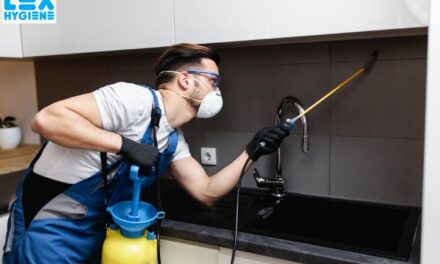
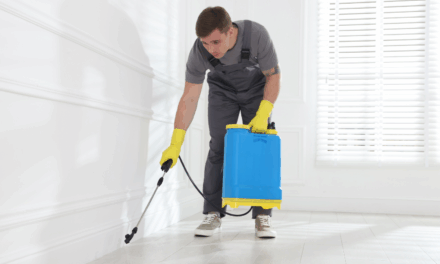
- Professional Application: Stress that professional application by trained and licensed pest control operators is absolutely crucial. These experts possess a deep understanding of termite biology, correct dosage requirements, precise application techniques, and strict adherence to safety protocols mandated by regulatory bodies like the CIBRC. Their expertise significantly reduces risks to occupants, non-target organisms, and the surrounding environment, ensuring the responsible use of safe termite chemicals India.
Essential Precautions for Users
Even when using termiticides considered safer, rigorous adherence to safety precautions is vital for anyone handling or being in proximity to treated areas.
- Detail: Carelessness can negate the inherent safety features of even the best products.
- Instructions: Always follow label instructions meticulously for any product. The product label is a legal document containing critical information on safe handling, application rates, mixing instructions, and necessary precautions. This includes wearing appropriate Personal Protective Equipment (PPE) such as gloves, masks, and protective clothing during handling and application to prevent skin or inhalation exposure. Furthermore, ensure proper ventilation is maintained during and immediately after application to disperse any fumes. It is critical to keep children and pets strictly away from treated areas until they are completely dry to prevent any accidental exposure, ingestion, or skin contact.
Top Termite Pesticide Brands in India: A Market Overview
Several reputable national and international termite pesticide brands lead the Indian market, offering effective and increasingly safer solutions for termite management. These brands leverage cutting-edge science to develop products that cater to the unique challenges posed by termites in diverse Indian environments. Understanding these leading players is key to selecting the best termite control chemicals for your property.
Bayer Environmental Science
Bayer Environmental Science is a prominent global leader renowned for its innovative solutions in pest management, public health, and turf & ornamentals. They are a significant player in the Indian market.
- Detail: Bayer has a strong global presence and invests heavily in R&D to bring advanced pest control solutions to market.
- Product Example: Premise (Imidacloprid). This non-repellent termiticide is highly regarded for its excellent “transfer effect” and impressive long-lasting control. It’s extensively used for both pre-construction (preventative) and post-construction (curative) treatments, creating an undetectable treated zone that termites carry back to the colony.
- Key Features: Premise is considered among the best termite control chemicals for its proven efficacy in achieving colony elimination. Its formulation also positions it as a component of safe termite chemicals India when applied professionally, as it exhibits low toxicity to mammals while being highly effective against termites.
- Bayer Environmental Science India – Premise Product Information
FMC India
FMC India is a well-established company known for its innovative solutions across various agricultural and professional pest control sectors. They offer a range of products to tackle termite infestations.
- Detail: FMC Corporation is a global agricultural sciences company, providing comprehensive solutions to pest challenges worldwide, including in India.
- Product Examples:
- Talstar (Bifenthrin): This is a popular repellent termiticide belonging to the pyrethroid class. Talstar is effective for creating barrier treatments around structures, deterring termites from entering.
- FMC also offers effective products based on Fipronil, which is a highly effective non-repellent termiticide known for its colony elimination properties.
- FMC India – Termite Control Products
Syngenta India
Syngenta India is another major global player with a strong presence in crop protection and professional pest management. They offer advanced solutions for protecting structures from termites.
- Detail: Syngenta is committed to sustainable agriculture and developing innovative solutions for pest and disease control, including solutions for urban pest management.
- Product Example (Active Ingredient Focus): Syngenta offers products utilizing Fipronil. While the global product “Termidor” (based on Fipronil) is very well-known, its specific brand name might be marketed differently or its active ingredient licensed to other formulators within India for professional use.
- Key Features of Fipronil-based products: Fipronil is a cornerstone active ingredient for modern non-repellent termite control. It is celebrated for its effectiveness in eliminating entire colonies through the potent transfer effect, making it one of the best termite control chemicals for comprehensive eradication.
- Syngenta India – Professional Pest Management Solutions
BASF India
BASF India, a subsidiary of the global chemical giant, has a diverse portfolio that includes advanced solutions for professional pest management. They contribute significantly to the Indian termiticide market.
- Detail: BASF is a world leader in chemicals, offering a broad range of products and solutions across various industries, including those for safeguarding property from pests.
- Product Examples (Active Ingredients Focus): Their specific termite control products in India may feature active ingredients such as Fipronil or other advanced molecules. These are known for their effective control against subterranean termites and are often used by professional pest control operators.
- BASF India – Professional & Specialty Solutions
Other Reputable Indian Manufacturers/Distributors
Beyond these multinational giants, India also has a vibrant domestic industry contributing to the availability of effective termiticides.
- Detail: Companies such as Rallis India, Excel Crop Care, and various other national formulators also manufacture and distribute generic versions of highly effective active ingredients like Fipronil and Imidacloprid. These domestic players play a crucial role in making termite control chemicals accessible throughout the country.
- Benefit: These Indian manufacturers often provide competitive alternatives under different brand names, making effective termite control chemicals more accessible and affordable in the Indian market, thus broadening the options for property owners seeking pest management solutions.
Baiting Systems (e.g., Sentricon)
Baiting systems represent a highly effective, environmentally conscious, and minimally invasive approach to termite control. These are particularly valuable for active infestations and in sensitive areas, embodying the principles of safe termite chemicals India.
- Detail: These systems involve placing discreet bait stations around a property. Termites forage, find the bait, and carry the active ingredient back to their colony, leading to its gradual demise. This method significantly reduces the amount of chemical introduced into the environment.
- Example: The globally recognized Sentricon system (Hexaflamuron) is a leading example. While market availability in India might vary, similar advanced baiting systems exist and are increasingly adopted by professional pest control services for targeted and contained treatment.
- Key Features: These systems contain the active ingredient within a protected bait station, minimizing environmental exposure. They directly target the termite colony for elimination, offering a long-term solution with reduced direct chemical application to the soil, making them a preferred choice for environmentally conscious termite management.
- Corteva Agriscience (Sentricon Manufacturer) India – Professional Pest Management
These prominent termite pesticide brands specialize in utilizing active ingredients such as Fipronil, Imidacloprid, Bifenthrin, and Hexaflumuron. Each ingredient offers distinct advantages in the relentless fight against termites, providing property owners with a range of sophisticated options for protection and eradication.
Choosing the Right Termite Chemical for Your Needs
Making an informed decision about the best termite control chemicals requires careful consideration of several practical factors tailored to your individual situation. There’s no one-size-fits-all solution, and a thoughtful assessment will lead to the most effective and responsible pest management strategy.
Type and Severity of Infestation
The nature of the termite problem significantly influences the choice of chemical.
- Guidance: For active, established infestations where termites are already present and causing damage, non-repellent chemicals or advanced baiting systems are generally recommended. Their ability to achieve colony elimination means they can target the entire hidden nest, not just the foraging termites you see. This offers a more comprehensive and lasting solution. For purely preventative measures in areas with low risk (e.g., new construction), a repellent barrier might suffice, though non-repellents often provide a more robust and comprehensive long-term protective strategy due to their undetectable nature and transfer effect.
Location of Treatment
Where the treatment needs to be applied is a critical safety and practical consideration.
- Guidance: Treatments required indoors, especially within living spaces, kitchens, or areas with high human activity, necessitate low-odor and low-toxicity options. This minimizes discomfort and potential health risks to occupants. Non-repellent chemicals designed for indoor use or contained baiting systems are often preferred. Outdoor applications around the perimeter of a structure might allow for a wider range of termite control chemicals, but the environmental impact and considerations for safe termite chemicals India (e.g., runoff, impact on beneficial insects) remain crucial to prevent wider contamination.
Presence of Children and Pets
This factor is paramount and should heavily influence the choice towards the safest possible options for your household.
- Guidance: In homes with children and pets, bait systems are often ideal. The active chemical is safely contained within a durable, tamper-resistant bait station, preventing any direct contact or accidental ingestion by curious children or animals. For liquid termiticides, professional application of low-toxicity options with minimal airborne exposure, combined with strict adherence to required drying times (and keeping everyone away from the treated area during this period), is critical to ensure safety. Always discuss these concerns thoroughly with your pest control professional.
Budget Considerations
Cost is always a factor, but prioritizing long-term effectiveness and safety can save money in the long run.
- Guidance: While DIY solutions might initially appear cheaper, they often lack the expertise, specialized equipment, and comprehensive coverage of professional services. A botched DIY job can lead to recurring infestations and greater damage, ultimately proving more costly. Professional services, while a higher initial investment, offer invaluable expertise, specialized equipment, and often come with guaranteed results, providing greater cost-effectiveness and peace of mind in the long run. Baiting systems, while potentially having a higher upfront cost for installation and monitoring, offer long-term, low-impact, and highly effective control solutions that can justify the investment.
Preference for DIY vs. Professional Service
Deciding whether to tackle the problem yourself or call in experts is a key choice.
- Guidance: While some low-concentration products are available for DIY application, for ensuring the application of the best termite control chemicals and guaranteed safety and effectiveness, especially in the context of India’s diverse termite species and structural variations, consulting a professional termite control service is unequivocally highly recommended.
- Reasoning: Professionals possess deep knowledge of termite biology, appropriate application techniques for different products, specialized equipment (e.g., for drilling and injecting into slabs), and the necessary licenses required for proper, safe, and effective application. They ensure compliance with safe termite chemicals India guidelines and significantly maximize the chances of successful eradication and long-term prevention, protecting your most valuable asset – your home.
Conclusion
Safeguarding your property from the relentless and often unseen threat of termites demands an informed, strategic, and proactive approach. These silent destroyers can wreak havoc on structural integrity, making effective and responsible pest management essential for every property owner in India.
This guide has provided a thorough understanding of the various types of best termite control chemicals, from repellent barriers to sophisticated non-repellent formulations and environmentally conscious baiting systems. We’ve explored their specific mechanisms of action and highlighted the crucial aspects of safety and environmental impact, emphasizing the importance of safe termite chemicals India.
While numerous reputable termite pesticide brands offer effective solutions across India, prioritizing products that combine efficacy with vital environmental and health considerations is paramount. Relying on professional application services is not just a convenience; it’s a critical step in ensuring optimal results, adhering to safety protocols, and achieving long-lasting protection against these destructive pests.
By judiciously balancing efficacy with health and ecological responsibilities, property owners can ensure proactive, secure, and long-lasting termite management that effectively safeguards both their valuable investments and the well-being of their household. Don’t wait for visible damage; contact a qualified pest control professional today for tailored advice and services specific to your property’s needs.
Frequently Asked Questions
-
What’s the main difference between repellent and non-repellent termiticides?
Repellent termiticides create a barrier that termites detect and actively avoid, primarily preventing entry. The downside is that any gap in the barrier compromises the treatment. Non-repellent termiticides are undetectable by termites, allowing them to unknowingly pass through the treated zone. They then carry the chemical back to the colony, leading to a “transfer effect” that aims for complete colony elimination.
-
Are termite control chemicals safe for my family and pets?
Modern termite control chemicals, especially non-repellents and IGRs used in baiting systems, are formulated to have low mammalian toxicity. When applied by trained professionals according to strict label instructions and safety protocols, they are considered safe. Baiting systems are particularly safe as the active ingredient is contained. Always communicate any concerns about children or pets to your pest control professional, who can advise on specific precautions.
-
How long do professional termite treatments typically last?
The longevity of a professional termite treatment varies based on the chemical used, soil type, environmental conditions, and the quality of application. Most high-quality termiticides offer residual protection for 5 to 10 years. Professional services often come with warranties that cover re-treatment if termites return within a specified period.
-
Why should I hire a professional instead of doing DIY termite control?
Professional pest control offers expertise, specialized equipment, and access to more effective, regulated chemicals not available to the public. Professionals accurately identify termite species, infestation severity, and apply treatments precisely and safely, ensuring comprehensive eradication and long-term prevention. DIY efforts often miss hidden colonies, leading to recurring infestations, greater damage, and potential misuse of chemicals, ultimately proving more costly and less effective.