DIY Termite Treatment: Home Remedies, Natural Killers, and When to Call the Pros
Estimated reading time: 10–15 minutes
Key Takeaways
- Termites cause *billions of dollars* in damage annually, making early detection and treatment crucial.
- **DIY termite treatment** is generally suitable only for *very small, localized infestations* or for prevention.
- Common **home remedies for termites** like boric acid, nematodes, and orange oil have *limited efficacy* against entire colonies.
- **Natural termite killers** such as Diatomaceous Earth and essential oils can offer some deterrent or contact kill but are *unreliable* for widespread problems.
- Signs like widespread activity, hidden damage, or recurring infestations *require professional help* for effective, long-term control.
- Preventive measures like moisture control, removing wood-to-soil contact, and sealing cracks are vital to *deter termites*.
Table of Contents
- DIY Termite Treatment: Home Remedies, Natural Killers, and When to Call the Pros
- Key Takeaways
- Understanding Termites and Initial Assessment
- Section 1: Tried-and-True Home Remedies for Termites (Limited Efficacy)
- Section 2: Harnessing Nature: Effective Natural Termite Killers (Varying Efficacy)
- The Realities and Limitations of DIY Termite Treatment
- When to Call the Professionals: Beyond DIY
- Preventive Measures to Supplement DIY Efforts
- Conclusion: Informed Choices for Termite Control
- Frequently Asked Questions
Termites are tiny, wood-eating insects that can cause big problems for homeowners. These social creatures feed on cellulose materials like wood, paper, and fabrics. When they make a home in your house, they can cause a lot of damage, often hidden from view. Each year, termites cause *billions of dollars* in damage across the U.S., making them a serious threat to homes.
Purdue University Extension, Environmental Protection Agency (EPA)
It’s easy to understand why many homeowners look for **DIY termite treatment** options. When you spot a problem, you want to act fast. People often hope to save money and prefer using less toxic or more “natural” products.
This guide will explore different **home remedies for termites** and **natural termite killers**. We will explain how they work, how to use them, and – very importantly – what they cannot do. We will also help you figure out when a **DIY termite treatment** is a good idea and when it’s truly time to call in the experts.
Understanding Termites and Initial Assessment
Before you try to get rid of termites, it’s helpful to know what kind you’re dealing with and what signs to look for. https://lhipestcontrol.com/understanding-termite-behavior/
Common Types of Termites
There are several types of termites, but two are most common in homes:
- Subterranean Termites: These are the most destructive type in North America. They live in the soil and need moisture to survive. They build protective “mud tubes” that look like thin tunnels made of dirt. These tubes help them travel safely between their underground nests and your home’s wood.
University of Florida IFAS Extension - Drywood Termites: Unlike subterranean termites, drywood termites live entirely inside the wood they infest. They don’t need contact with the soil. You might find them in warmer, coastal areas. A key sign of drywood termites is their unique fecal pellets, called “frass.” These tiny, hard, sand-like droppings are often found near infested wood.
UC Davis IPM
Signs of Infestation
Spotting these tiny wood-destroying insects early can save you a lot of trouble. Look for:
- Mud Tubes: Pencil-thin dirt tunnels on foundations, walls, or floor joists. These are a sure sign of subterranean termites.
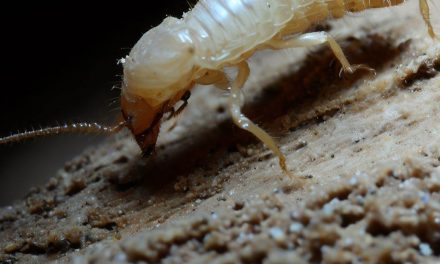
- Discarded Wings: After swarming (when new termite colonies fly off to start), you might find piles of tiny, transparent wings near windowsills or doors.
- Damaged Wood: Wood that sounds hollow when tapped, or areas where paint or drywall looks blistered or warped. This can mean termites are eating the wood underneath.
- Frass: Small, pellet-like droppings (for drywood termites). They often look like sawdust or fine sand.
- Termite Swarmers: Seeing actual flying termites, especially indoors, means a colony is nearby and actively reproducing.
When DIY is Appropriate
**DIY termite treatment** methods are usually best for *very small, localized problems* where you can clearly see the termite activity and reach it easily. They can also be used for prevention.
For example, if you find a small group of drywood termites in a single, isolated piece of furniture, or if you want to treat a specific area where you *suspect* activity but it’s not widespread, then DIY options might be suitable. Think of these as spot treatments.
When Professional Help is Needed
It’s very important to know when to call a pro. https://lhipestcontrol.com/how-to-choose-the-best-termite-control-service-in-delhi-ncr/ Any of these signs mean you need expert help:
- Widespread Activity: If you see many mud tubes, frass in multiple spots, or numerous swarmers, the infestation is likely large.
- Hidden Damage: Termites often cause damage inside walls, under floors, or in other places you can’t easily see.
- Recurring Infestations: If termites keep coming back after you try to treat them, it means your methods aren’t reaching the main colony.
- Significant Structural Concerns: Soft or sagging floors, cracks in ceilings, or visible holes in wood can point to serious damage.
Remember, termite colonies are complex and can spread much further than you can see. Reputable sources strongly recommend against relying only on **DIY termite treatment** for established infestations. Professional help is almost always the best choice for lasting termite control.
National Pest Management Association (NPMA), Environmental Protection Agency (EPA)
Section 1: Tried-and-True Home Remedies for Termites (Limited Efficacy)
This section looks at common **home remedies for termites** that people often try. It’s important to know that most of these methods have limited success against a whole termite colony. They might help with a few termites, but often won’t solve the bigger problem.
Borax/Boric Acid
Boric acid is a widely known ingredient in some DIY pest solutions.
- How it works: Boric acid acts in a few ways. When termites eat it, it poisons their stomach and damages their nervous system. It also dries out their bodies. Termites can pick up boric acid dust on their bodies and transfer it to other termites when they groom each other, helping to spread the poison through a small group.
Purdue University Extension, National Pesticide Information Center (NPIC) - Application: You can apply boric acid powder into small cracks, crevices, or voids where you see termite activity. You can also mix it with sugar or cellulose (like paper) to create a simple bait. Some people mix diluted boric acid solutions with water and spray it onto infested wood surfaces or around the foundation as a perimeter treatment.
- Safety: While boric acid is less toxic than some strong chemical pesticides, it is still a pesticide. You should handle it with care. Keep it away from children and pets, and always follow any instructions on the product label.
- Limitations: Boric acid is mainly effective as a contact killer or bait for individual termites or small, visible groups. It’s very hard to get enough boric acid deep into a structure or to the termite queen to wipe out an entire colony. This **DIY termite treatment** won’t solve a widespread infestation.
Nematodes (Beneficial Worms)
These tiny worms can be a natural way to fight some pests.
- Explanation: Entomopathogenic nematodes are microscopic, parasitic roundworms. Specific types, like *Steinernema carpocapsae* and *Heterorhabditis bacteriophora*, are known to hunt down and kill soil-dwelling insects, including subterranean termites. They enter the termite’s body, release special bacteria that kill the host, and then reproduce inside the dead termite.
University of Florida IFAS Extension - Application: You can usually buy these beneficial worms online or at garden centers. You mix them with water and apply them to moist soil in areas where you suspect subterranean termites are active.
- Effectiveness: While nematodes show some promise against subterranean termites in lab tests, their success in real homes can vary a lot. Factors like soil moisture, temperature, and how well you apply them play a big role. They target individual termites and struggle to get deep into structures or reach a large, hidden infestation. They are best used as a small part of an overall pest management plan, not as the only solution for an active termite problem.
UC Davis IPM
Cardboard Traps
This is a very simple **home remedy for termites** often suggested as a detection method.
- Method: Termites, especially subterranean ones, love cellulose (like wood and paper) and moisture. You can wet some cardboard and lay it near areas where you suspect termite activity. The termites will be attracted to the wet cardboard. Once you see termites gathering on the cardboard, you can quickly remove it and destroy it, for example, by burning it.
- Limitation: This is a very basic method. It can only attract and remove a tiny fraction of a termite colony. It’s useful for *detecting* if you have termites or for a very temporary, super-small problem. However, it cannot control a full-blown termite infestation.
Orange Oil (d-Limonene)
Orange oil is a natural product that can be used against certain types of termites.
- Source: Orange oil comes from the rinds of oranges. Its active ingredient is called d-Limonene.
- How it works: d-Limonene works as a contact killer. It dissolves the waxy outer layer (exoskeleton) of the termite, causing the insect to dehydrate and suffocate. It also acts as a poison to their nervous system.
University of California Agriculture and Natural Resources, Pest Notes - Application: Orange oil is primarily used for drywood termites. You would typically drill small holes into the infested wood and inject the orange oil directly into the termite galleries (the tunnels they create).
- Effectiveness: This can be effective for *very localized* drywood termite infestations, especially in wood that is easy to reach and where you can inject the oil directly. However, it doesn’t penetrate deeply into large wood structures or reach hidden colonies. You might need multiple treatments. It is not effective against subterranean termites.
UC Davis IPM
Section 2: Harnessing Nature: Effective Natural Termite Killers (Varying Efficacy)
In this section, we’ll explore more popular **natural termite killers** and talk about how well they actually work against these wood-destroying pests.
Diatomaceous Earth (DE)
Diatomaceous Earth is a unique, natural powder that can be a useful tool.
- Explanation: DE is made from the fossilized remains of diatoms, which are tiny, ancient aquatic organisms. It looks like a fine, white, abrasive powder.
- How it works: When termites crawl through DE, the sharp, microscopic edges of the diatoms scratch and pierce their waxy outer layer (exoskeleton). This causes the termites to dry out and die from dehydration. It’s a physical way of killing insects, not a chemical one.
National Pesticide Information Center (NPIC), University of Kentucky Entomology - Application: You can apply DE as a fine dust into cracks, crevices, wall voids, and around the foundation where termites might travel. It’s very important to keep DE dry for it to work. Once it gets wet, it loses its effectiveness.
- Effectiveness: DE can be effective as a contact killer for termites that directly touch it. However, it’s difficult to spread it widely enough to affect an entire hidden colony. It’s best for protecting the perimeter of your home or treating visible termite runways. Food-grade DE is generally safe, but breathing in the dust can irritate your lungs. This **DIY termite treatment** is a physical barrier.
Vinegar Solutions
Many people wonder if simple household vinegar can be a **natural termite killer**.
- Discussion: Common white vinegar, which contains acetic acid, is often suggested as a **DIY termite treatment** or pest repellent.
- Clarification: While a strong solution of vinegar can kill individual termites on contact (because of its acidity and ability to dry them out), its effect on an entire colony is very small, almost nothing. Vinegar doesn’t leave a lasting protective layer or spread through the colony like professional treatments. It’s more like a temporary surface cleaner or a very localized spray for a few visible insects. It is not a reliable **natural termite killer** for an actual infestation.
Essential Oils (e.g., Clove Oil, Neem Oil, Tea Tree Oil)
Various essential oils are often proposed as natural pest solutions.
- Explanation: Many essential oils contain natural compounds that can kill, repel, or stop insects from eating.
- Clove Oil: Contains a compound called eugenol, which is toxic to some insects.
- Neem Oil: This oil comes from the neem tree. It contains azadirachtin, which acts as an insect growth regulator (stopping termites from growing) and an antifeedant (making them stop eating). This can disrupt their development and feeding habits.
University of California Agriculture and Natural Resources, Pest Notes - Tea Tree Oil: Contains terpinen-4-ol, which has properties that can kill insects.
- Application: Typically, these essential oils are diluted with water and sprayed directly onto visible termites or into small holes drilled into infested wood.
- Efficacy: While some lab studies show that essential oils can repel or harm termites, their effectiveness in real-world situations against established colonies is often unreliable and limited. They might keep termites away from certain spots or kill a few on contact, but they are *very unlikely to wipe out an entire colony*. How well they work depends a lot on the concentration, purity, and how they are applied. These options are mostly for prevention or very minor surface issues, not for active infestations.
Heat Treatment (Localized)
For very specific situations, some homeowners consider using heat.
- Brief Mention: For *very small, localized drywood termite infestations* in wood that is easy to reach, some people might try using high-temperature heat guns or steam to kill the termites. Termites cannot survive for long periods in temperatures above 120-130°F (49-54°C).
- Emphasis on Difficulty and Risk: It’s *extremely difficult* to use this method effectively. Heat doesn’t penetrate wood quickly or evenly, so it’s hard to make sure all termites inside their tunnels get hot enough to die without damaging the wood or anything else nearby. For widespread infestations, it’s practically impossible for a homeowner to do. It also carries *serious risks* of fire and other safety hazards if not done by a professional. Experts use special heat tents and monitoring tools for whole-structure heat treatments.
UC Davis IPM
The Realities and Limitations of DIY Termite Treatment
Deciding to tackle a termite problem yourself with **DIY termite treatment** has both good and bad points. It’s important to understand these realities before you start.
Pros of DIY
- Cost-effective for minor issues: If you genuinely have a very small, superficial termite problem, using **home remedies for termites** or **natural termite killers** can save you money compared to hiring a professional.
- Immediate action: When you see a termite, you can act right away without waiting for an expert. This can be helpful for small, visible issues.
- Less toxic options: Using **natural termite killers** can be appealing to those worried about strong chemical exposure. However, even natural products must be handled carefully.
Cons of DIY
- Often temporary/doesn’t eliminate the colony: This is the biggest problem. Most **DIY termite treatment** methods only kill the termites you see or a small part of the colony. The main nest and the queen are usually left untouched, allowing the colony to keep growing and reproducing.
- Potential for misdiagnosis: Homeowners might not correctly identify the type of pest they have, or they might not understand how widespread the infestation truly is. This can lead to using the wrong treatment, which won’t work.
- Risk of spreading infestation: If you disturb termites without properly getting rid of them, you might accidentally cause them to scatter and start new colonies in other parts of your home. This makes the problem even worse.
- Difficulty accessing hidden termites: Termites often infest areas you can’t see, like behind walls, under floors, or inside structural beams. Without special tools and knowledge, **DIY termite treatment** can’t reach these hidden areas.
- Can provide a false sense of security: Believing that your **DIY termite treatment** has solved the problem can be dangerous. The infestation might continue out of sight, leading to much more extensive and costly damage over time.
- Safety risks: Even “natural” treatments can be harmful if not used correctly. Some methods, like attempting localized heat treatment, carry significant risks like fire or injury.
When to Call the Professionals: Beyond DIY
It’s vital to set realistic expectations and prioritize safety when dealing with termites. Expert sources consistently emphasize that professional intervention is essential for effective, long-term termite control.
Signs Requiring Professional Help
If you notice any of these signs, it’s definitely time to call a licensed pest control professional:
- Large Infestations: Seeing many flying termites (swarmers), extensive mud tubes, or widespread frass (termite droppings) means you have a big problem.
- Structural Damage: If your wood feels soft or hollow, your floors are sagging, or you see visible holes, this indicates significant structural damage that needs immediate attention.
- Persistent Problems: If termites keep coming back after you try **DIY termite treatment** methods, it’s a clear sign that you haven’t eliminated the main colony.
- Recurring Termites: This shows the previous treatment was not successful in getting rid of the source of the problem.
- Hidden Activity: If you suspect termites are behind walls, under floors, or in other hard-to-reach areas, you need a professional inspection.
What Professionals Offer
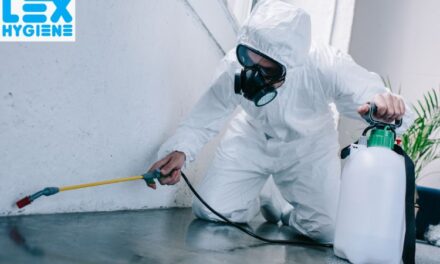
Professionals bring specialized knowledge, tools, and treatments that most homeowners do not have. https://lhipestcontrol.com/termite-pest-control-effective-methods-to-protect-your-property/
- Thorough Inspection: Experts can identify the specific type of termite, find their entry points, and accurately assess how extensive the infestation is. They use specialized tools to look for hidden activity.
- Specialized Treatments:
- Bait Systems: Termite baits, like Sentricon or Trelona, are very effective. Termites feed on a cellulose material that contains insect growth regulators (IGRs). They carry this treated bait back to their colony, which eventually leads to the elimination of the entire colony over several months.
Environmental Protection Agency (EPA), Purdue University Extension - Liquid Barriers: Professionals can apply special non-repellent liquid termiticides (like fipronil) around your home’s foundation. This creates a barrier that termites cannot detect. When they tunnel through it, they pick up the chemical and transfer it to other termites, leading to colony elimination.
Environmental Protection Agency (EPA) - Fumigation: For severe drywood termite infestations, especially if they are widespread, whole-structure fumigation is often the most effective method. This involves covering your entire house and introducing a gas that kills the termites. You will need to leave your home during this process.
- Bait Systems: Termite baits, like Sentricon or Trelona, are very effective. Termites feed on a cellulose material that contains insect growth regulators (IGRs). They carry this treated bait back to their colony, which eventually leads to the elimination of the entire colony over several months.
- Long-term Protection: Professional pest control companies often offer warranties and follow-up treatments. This gives you peace of mind and ensures lasting eradication of these destructive wood-eating insects. https://lhipestcontrol.com/long-term-pest-management-how-termite-pest-control-services-in-delhi-ncr-go-beyond-quick-fixes/
Preventive Measures to Supplement DIY Efforts
Even if you need professional help for an active infestation, combining smart prevention with any **DIY termite treatment** attempts can make your home less appealing to these pests. https://lhipestcontrol.com/preventing-termite-infestations-a-comprehensive-guide-to-protect-your-home/
- Moisture Control: Termites, especially subterranean ones, are highly attracted to moisture.
- Repair any leaky pipes or outdoor faucets right away.
- Make sure the ground slopes away from your home’s foundation to prevent water from pooling.
- Keep your gutters clean and ensure downspouts direct water far away from the house.
- Remove Wood-to-Soil Contact: Wood that touches the soil is an open invitation for subterranean termites.
- Ensure that no wood elements of your house, like siding or door frames, are in direct contact with the soil.
- Create a gap, usually about 6-8 inches, between the soil and any wood parts of your home. This prevents hidden entry points.
- Seal Cracks and Crevices: Termites can squeeze through very tiny openings.
- Seal any cracks in your foundation.
- Close up gaps around utility entry points (where pipes and wires enter the house).
- Seal any openings in crawl spaces to deny entry to these destructive insects.
- Eliminate Wood Debris: Termites are always looking for food sources.
- Remove old tree stumps, fallen trees, scrap wood, and excess mulch from around your foundation.
- Store firewood at least 20 feet away from your house and keep it off the ground on a raised structure.
- Regular Inspections: Be your own first line of defense.
- Periodically inspect your home’s foundation, crawl spaces, and attic for any signs of termite activity. Look for mud tubes, frass, or any wood that looks damaged or sounds hollow.
Conclusion: Informed Choices for Termite Control
Facing a termite problem can be daunting, but making informed choices is key. **DIY termite treatment** methods, including various **home remedies for termites** and **natural termite killers**, can be a viable *first step* for very small, visible, and localized problems. They can also play an important role in a *preventive strategy* to make your home less attractive to these wood-eating insects.
However, it is crucial to understand that these methods are rarely strong enough to eliminate an entire termite colony, especially if the infestation is hidden or widespread. Termite colonies are complex, and their main nests can be deep and difficult to reach.
The best defense against termites combines vigilance, robust preventive measures, and the readiness to call a licensed pest control professional when faced with any significant or persistent termite activity. Delaying professional treatment can lead to extensive and incredibly costly structural damage to your home, turning a small problem into a very expensive one. Choose wisely to protect your biggest investment.
Frequently Asked Questions
-
Can I completely get rid of termites with DIY methods?
It’s *highly unlikely* that DIY methods will completely eliminate a termite colony, especially for subterranean termites or widespread infestations. DIY treatments typically only affect visible termites or a small portion of the colony. The queen and the main nest, which are crucial for the colony’s survival, are rarely reached by home remedies.
-
How long does it take for DIY termite treatments to work?
For the few termites that come into direct contact with a DIY treatment, death can occur relatively quickly (e.g., within hours to a few days for boric acid or orange oil). However, these treatments do not provide lasting control over the entire colony, meaning the problem will likely persist or return.
-
Are “natural” termite killers always safe?
While often less toxic than synthetic pesticides, “natural” termite killers like essential oils, boric acid, or diatomaceous earth still require careful handling. They can cause irritation if inhaled or come into contact with skin or eyes, and some can be toxic if ingested, especially by children or pets. Always read and follow product labels and safety precautions.
-
How often should I inspect my home for termites?
It is recommended to conduct a thorough inspection of your home’s foundation, crawl spaces, attic, and any wood elements at least once a year. If you live in an area prone to termites, or have had past infestations, more frequent checks (e.g., every 3-6 months) are advisable. Professional inspections are typically recommended annually.
-
What is the average cost of professional termite treatment?
The cost of professional termite treatment varies significantly based on the type of termite, the size of your home, the extent of the infestation, and the treatment method used (e.g., bait systems, liquid barriers, fumigation). It can range from several hundred dollars for localized treatments to several thousands for whole-structure fumigation. Many companies offer free inspections to provide an accurate estimate.