The Ultimate Guide to Professional Pest Control for Restaurants, Hotels & Cafes: Safeguarding Your Hospitality Business
Estimated reading time: 12–16 minutes
Key Takeaways
- Proactive and professional pest control is not just a good idea, but an absolutely critical safeguard for any hospitality business.
- Pests pose severe and undeniable risks, including significant health and safety hazards, irreversible reputation damage, costly customer loss, and substantial financial and legal liabilities.
- Common threats in hospitality include rodents, cockroaches, flies, ants, and, specifically for hotels, the highly damaging bed bugs. Each requires a tailored approach.
- Integrated Pest Management (IPM) is the indispensable, science-based approach that emphasizes prevention, targeted treatments, and ongoing monitoring, far surpassing ineffective DIY methods.
- Investing in professional pest control yields a significant return on investment (ROI) through enhanced brand protection, assured operational continuity, and long-term savings by preventing costly infestations and repairs.
- Choosing the right partner involves looking for specialized commercial hospitality experience, proper licensing and certifications, a strong commitment to IPM, transparent communication, and a solid industry reputation.
Table of Contents
- The Ultimate Guide to Professional Pest Control for Restaurants, Hotels & Cafes: Safeguarding Your Hospitality Business
- Key Takeaways
- 1. The Silent Threat: Why Pest Control is Non-Negotiable for Hospitality
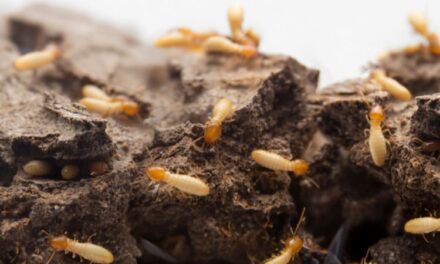
- 2. Knowing Your Enemy: Common Pests in Hospitality and Their Specific Threats
- 3. Beyond DIY: The Indispensable Role of Professional Integrated Pest Management (IPM)
- 4. The Return on Investment: Why Professional Pest Control Pays Off
- 5. Choosing Your Partner: Selecting the Right Professional Pest Control Provider
- Conclusion
- Frequently Asked Questions
Imagine this nightmare: a quick flash of a tiny, scurrying creature in your busy dining room, sending shivers down a guest’s spine. Or perhaps a visitor to your hotel wakes up with itchy, red bites, quickly posting a furious complaint online. Maybe even worse, a health inspector finds signs of unwelcome vermin, leading to fines or, even worse, a forced closure. These are the terrifying scenarios that can swiftly and utterly devastate any hospitality business. A single pest sighting can unravel years of hard work, ruin your good name, and empty your establishment overnight.
That’s why effective pest control for restaurants, proactive pest management in hotels, and robust pest control for cafes are not just good ideas—they are absolutely critical. They are the invisible shield protecting your business, your guests, and your reputation. This blog post aims to be your comprehensive guide. We will help hospitality business owners and managers understand, prevent, and effectively manage pests through professional solutions.
This guide will dive deep into the severe consequences of infestations, outline the common pest threats you face, explain the powerful advantages of professional Integrated Pest Management (IPM), and show you how to choose the perfect pest control for restaurants partner to keep your doors open and your customers happy.
1. The Silent Threat: Why Pest Control is Non-Negotiable for Hospitality
In the fast-paced world of hospitality, where customer experience is king, even the smallest pest problem can lead to massive headaches. Ignoring the need for thorough pest control for restaurants, diligent pest management in hotels, or careful pest control for cafes is a risk no business can afford to take. Pests are more than just an annoyance; they are a silent threat that can undermine every aspect of your operation.
1.1. Health and Safety Risks: A Public Health Imperative
Pest control isn’t just about keeping things tidy; it’s a fundamental requirement for any business that serves food or provides lodging. Health organizations and local authorities consistently highlight this need. Protecting public health is the most critical reason for proactive pest management.
Here are the specific disease transmission risks that pests bring:
- Rodents and Cockroaches: These unwelcome guests are notorious carriers of harmful bacteria. They can spread germs like Salmonella, E. coli, and various viruses. Imagine them scurrying across kitchen counters, contaminating food preparation surfaces, utensils, and even the stored food products you use daily.
- Flies: House flies are more than just a nuisance; they are significant vectors for disease. They land on decaying matter, then transfer those germs directly to your food and dining surfaces.
- Bed Bugs (for Hotels): These tiny hitchhikers pose a unique public health threat. Their bites can cause skin irritation, lead to allergic reactions, and sometimes even result in secondary skin infections from scratching. The Centers for Disease Control and Prevention (CDC) warns about these issues, emphasizing the discomfort and potential health concerns associated with bed bug infestations. Without expert pest management in hotels, these blood-feeding insects can cause widespread distress.
Ensuring robust pest control for restaurants is therefore paramount. It’s about much more than just cleanliness; it’s about safeguarding the health and well-being of every single guest and staff member.
1.2. Reputation Damage & Customer Loss: The Hospitality Killer
In the digital age, a single negative experience can spread like wildfire. A pest sighting is a catastrophic event for any hospitality business, leading to brand damage that can be incredibly difficult to repair.
Consider these points:
- Online Reviews and Social Media: A guest who spots a mouse, a cockroach, or suffers bed bug bites isn’t likely to stay quiet. They will share their story on social media platforms like Facebook or Instagram, and review sites like Yelp or TripAdvisor. Industry reports, often highlighted by publications like Restaurant Business Online or Hotel Management Magazine, consistently show how quickly a single bad review can lead to a significant drop in customers and substantial financial losses.
- Public Perception: In the hospitality sector, public perception of hygiene is everything. Guests expect a clean, safe, and comfortable environment. The presence of pests immediately shatters this expectation. Professional pest management in hotels and expert pest control for cafes directly impacts this crucial perception, building trust and encouraging repeat visits.
A strong reputation takes years to build and only moments to destroy. Effective pest control for restaurants is your best defense against such a devastating blow to your business’s image.
1.3. Financial & Legal Liabilities: The Hidden Costs
Beyond lost customers and a damaged reputation, pest infestations bring a host of costly financial and legal consequences that many businesses overlook until it’s too late.
Here are some of the hidden costs:
- Fines and Closures: Health code violations directly related to pests can trigger immediate operational shutdowns. Health inspectors don’t take pest issues lightly, especially in food service establishments. These violations can lead to hefty fines and force you into mandatory remediation programs before you can reopen your doors.
- Product Spoilage: Pests like rodents, ants, and cockroaches love to get into food supplies. They can contaminate and spoil large quantities of ingredients, packaged goods, and prepared food. This results in significant inventory write-offs, which is a common and costly problem for restaurants without proper pest control for restaurants.
- Property Damage: Rodents, particularly mice and rats, are avid chewers. They can gnaw through electrical wiring, creating fire hazards and expensive repairs. They can also damage plumbing, insulation, and structural elements of your building. This type of damage is a concern across all hospitality venues, from large hotels needing comprehensive pest management in hotels to small bistros requiring focused pest control for cafes.
- Lawsuits: The most severe financial consequences can come from legal action. Cases of foodborne illness caused by contaminated food or painful bed bug bites can lead to costly litigation. Businesses may face damaging settlements and increased insurance premiums, particularly for hotels that lack robust pest management in hotels protocols to prevent such incidents.
These financial burdens underscore why a proactive approach to pest control for restaurants and other hospitality settings is an essential investment, not just an overhead expense.
2. Knowing Your Enemy: Common Pests in Hospitality and Their Specific Threats
To effectively implement pest control for restaurants, robust pest management in hotels, or vigilant pest control for cafes, you must first understand the specific pests that are most attracted to the hospitality sector. Each type of pest brings its own set of threats and challenges.
2.1. Rodents (Mice & Rats)
Rodents are a top concern for any business handling food. They are drawn to the warmth, shelter, and abundant food sources found in kitchens, storage areas, and even guest rooms.
- Contamination and Damage: Mice and rats are infamous for contaminating food and surfaces with their urine, droppings, and hair. They gnaw through packaging, wires, and even structural components. This causes both direct health risks and expensive property damage.
- Rapid Breeding: A small rodent problem can quickly explode into a major infestation. Rodents breed at an astonishing rate, making urgent pest control for restaurants and other venues absolutely necessary once they are detected. The National Pest Management Association (NPMA) and various university extension programs offer extensive information on the specific dangers posed by common pests like rodents.
2.2. Cockroaches
Cockroaches, especially the German cockroach, are a nightmare for commercial kitchens. They thrive in warm, moist, and food-rich environments.
- Elusive and Persistent: These insects are nocturnal and incredibly elusive, meaning that by the time you see one, there are likely many more hiding. This makes do-it-yourself treatments largely ineffective for professional pest control for restaurants.
- Health Hazards: Cockroaches are well-known carriers of various pathogens, including bacteria that cause food poisoning. They can also trigger severe allergies and asthma attacks in sensitive individuals, making their presence a serious health concern in any food service operation.
2.3. Flies
Flies are more than just annoying; they are a significant health hazard, particularly for food-focused establishments.
- Attraction and Multiplication: Flies are attracted to food waste, garbage, and decaying organic matter. They can multiply rapidly, with a few flies quickly becoming a swarm.
- Disease Transmission: They transmit bacteria from unsanitary areas directly to food, plates, and preparation surfaces. This makes their presence a major indicator of poor sanitation and a direct threat to public health, especially for businesses requiring diligent pest control for cafes.
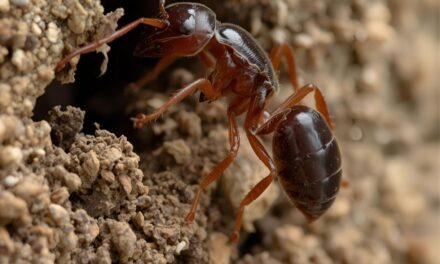
2.4. Ants
While ants might seem less threatening than cockroaches or rodents, their presence is still a sign of underlying hygiene issues and a major inconvenience.
- Seeking Food and Moisture: Ants invade kitchens, dining areas, and even guest rooms in search of food scraps and moisture. They can contaminate food and make an area feel unclean.
- Disruptive to Guests: Even if they don’t pose a direct health threat like other pests, seeing ants crawling across a table or countertop is highly disruptive and off-putting for guests in any establishment, including those relying on professional pest management in hotels.
2.5. Bed Bugs (Specifically for Hotels)
Bed bugs are a unique and particularly damaging pest for hotels, causing significant distress and financial loss.
- Hiding and Spreading: These tiny, reddish-brown insects are experts at hiding in mattresses, box springs, headboards, and luggage. They are easily spread from one location to another by guests, making them a constant threat. The Environmental Protection Agency (EPA) and the CDC both provide detailed information on bed bug biology and control, highlighting their ability to travel and establish new infestations.
- Discomfort and Damage: Bed bug bites cause itching, discomfort, and significant psychological distress for guests. This leads to severe reputational damage, negative online reviews, and often costly litigation for hotels. Specialized pest management in hotels is absolutely crucial for preventing and eradicating these pests.
- Specialized Eradication: Unlike other pests, bed bug eradication requires highly specialized, multi-faceted treatment protocols. Standard pest control methods are often insufficient. Hotels need experts who understand bed bug biology and behavior to effectively eliminate them.
Understanding these specific threats is the first step towards creating an effective and comprehensive pest management plan tailored to your hospitality business.
3. Beyond DIY: The Indispensable Role of Professional Integrated Pest Management (IPM)
When it comes to commercial pest issues, relying on store-bought sprays and traps is like bringing a spoon to a knife fight. Professional pest control for restaurants, sophisticated pest management in hotels, and careful pest control for cafes demand a much more advanced approach known as Integrated Pest Management (IPM).
3.1. Why DIY Fails in Commercial Settings
Many business owners try to handle pest problems themselves to save money. However, this approach almost always backfires in a commercial environment.
- Ineffective for Infestations: Over-the-counter pest solutions are rarely powerful enough or specific enough to tackle established commercial infestations. They might kill a few visible pests, but they often leave behind the hidden populations and breeding sites. This means the problem will inevitably return, often bigger and harder to manage.
- Health and Safety Risks: Improper use of pesticides in a commercial food environment poses significant health risks to staff and guests. It can also lead to serious regulatory non-compliance issues. Using the wrong product or applying it incorrectly can contaminate food, surfaces, and air, making your business unsafe. This underscores the critical need for professional pest control for cafes and any other hospitality venue.
3.2. What is Professional Integrated Pest Management (IPM)?
Integrated Pest Management (IPM) is not just about killing pests; it’s a smart, long-term strategy for prevention and control. It’s considered the most effective and responsible approach for commercial establishments by organizations like the EPA and the NPMA, focusing on minimizing chemical use while maximizing results.
Here are the key components of a professional IPM strategy:
- Thorough Inspection & Identification: The first step is a detailed inspection by trained professionals. They accurately identify the specific pest species, find all possible entry points, locate hidden harborage areas (where pests live and breed), and understand the environmental conditions that are contributing to the infestation. Without knowing your enemy, you can’t defeat it.
- Customized Strategies: There’s no one-size-fits-all solution. Professional pest control for restaurants requires a plan tailored to the unique operational needs and strict regulatory requirements of a food service business. Similarly, pest management in hotels must consider guest privacy and specific room layouts. A good IPM plan is highly specific to your facility.
- Proactive Prevention: IPM emphasizes stopping pests before they become a problem. This involves:
- Structural Repairs (Exclusion): Sealing cracks, fixing screens, and blocking entry points.
- Improved Sanitation Practices: Working with staff to ensure proper waste management, cleaning schedules, and food storage.
- Environmental Modifications: Addressing issues like excess moisture, overgrown landscaping, or cluttered storage areas that attract pests.
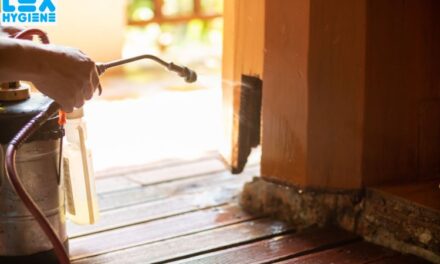
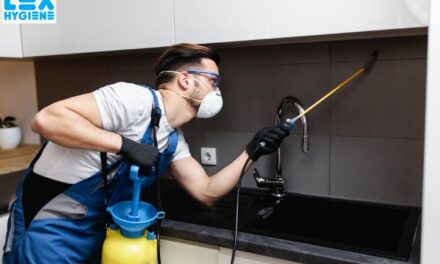
- Targeted Treatments: When pesticides are necessary, professionals use specific, low-toxicity products. These are applied discreetly and safely, only in targeted areas where pests are present, minimizing exposure to guests and staff. All applications strictly adhere to industry regulations to ensure the safety of food, staff, and guests.
- Monitoring & Evaluation: Pest control is an ongoing process. Professionals conduct regular monitoring to assess how effective the treatments are. They look for new signs of activity and identify potential new threats. This allows them to continuously adapt and improve the pest control for cafes plan or any other hospitality venue’s strategy, ensuring long-term protection.
This comprehensive, science-based approach ensures that your business remains pest-free, compliant, and safe for everyone.
4. The Return on Investment: Why Professional Pest Control Pays Off
Viewing a comprehensive pest control for restaurants program as a necessary investment, rather than just another operating expense, is a crucial mindset for successful hospitality businesses. Leading pest control firms consistently emphasize that the benefits far outweigh the costs. It’s about protecting your assets, both tangible and intangible.
4.1. Components of Service Excellence
When you partner with a professional pest control provider, you’re investing in a suite of services designed to offer thorough protection and peace of mind.
- Detailed Site Assessments: A top-tier provider begins with comprehensive audits. These assessments identify every vulnerability specific to your facility. Whether you run a bustling restaurant with complex kitchen areas, manage a multi-story hotel with hundreds of guest rooms, or operate a cozy cafe with outdoor seating, the assessment will pinpoint unique risks and potential entry points. This targeted approach ensures that your pest control for restaurants strategy is truly effective.
- Discreet & Flexible Service: Hospitality businesses operate on tight schedules, and guest experience is paramount. Professional pest control services understand this. They offer flexible scheduling and use application methods that minimize disruption to your daily operations. This means service can be performed during off-peak hours, or with techniques that ensure guest comfort and privacy, which is especially vital for sensitive pest management in hotels.
- Documentation & Compliance Reporting: Staying compliant with health and safety regulations is non-negotiable. A reputable pest control partner provides detailed service reports after every visit. These reports are essential for health inspections, internal audits, and demonstrating due diligence. For food service establishments, this documentation is critical for meeting HACCP (Hazard Analysis and Critical Control Points) requirements, which are designed to ensure food safety from preparation to serving. Such records can be vital evidence of your commitment to hygiene and safety.
- Staff Training: A truly integrated pest management program goes beyond just the pest control technician. It involves empowering your own team. Professionals will educate your restaurant, hotel, and cafe staff on early pest detection signs. They’ll also train them on best practices for sanitation and exclusion, turning your employees into an active part of your preventive pest control for restaurants team. This collaborative approach significantly boosts overall effectiveness.
4.2. Significant Return on Investment (ROI)
The financial and reputational benefits of professional pest control are clear and measurable.
- Brand Protection: Maintaining a consistently pest-free environment is the ultimate guardian of your brand’s reputation. It fosters invaluable customer trust, leading to repeat business, positive word-of-mouth referrals, and glowing online reviews. This steady stream of satisfied customers and positive publicity is the core, long-term ROI of strong pest management in hotels and excellent pest control for cafes.
- Operational Continuity: Avoiding forced closures by health authorities, sidestepping costly legal battles, and preventing lengthy, expensive remediation projects ensures your business can operate smoothly and without interruption. Uninterrupted operations mean maximized revenue and consistent service delivery.
- Long-term Savings: Proactive pest control prevents minor pest issues from escalating into full-blown infestations. This saves your business significant money in the long run. You avoid the high costs of emergency, intensive treatments, expensive structural repairs caused by pests, and substantial inventory losses due to contamination.
- Peace of Mind: Perhaps the most undervalued return on investment is the peace of mind it offers. Knowing that a professional team is actively managing all pest risks allows business owners and managers to shift their focus away from worrying about infestations and back to their core operations: delivering exceptional hospitality.
Investing in expert pest control for restaurants is investing in the health, longevity, and profitability of your entire hospitality venture.
5. Choosing Your Partner: Selecting the Right Professional Pest Control Provider
Selecting the right professional pest control for restaurants provider is a critical decision that directly impacts your business’s success and reputation. This isn’t a task to take lightly. You need a partner who understands the unique challenges of the hospitality industry.
5.1. Commercial Hospitality Experience
The first and most important criterion is experience. Choose a provider with a proven track record specifically in restaurants, hotels, and cafes.
- Unique Demands: Hospitality environments have unique regulatory, operational, and customer service demands. A general pest control company might not understand the intricacies of a commercial kitchen, the need for discreet service in a hotel lobby, or the specific food safety protocols for a café.
- Specialized Expertise: Look for a company that demonstrates specialized pest management in hotels knowledge, understanding things like bed bug protocols, or specific expertise in pest control for cafes environments where food is prepared and served in close proximity to customers.
5.2. Licensing & Certification
Due diligence is essential. Always verify that the technicians who will be working on your property are properly licensed, certified, and fully insured.
- Industry Standards: Licensing and certification indicate that the provider adheres to industry standards, best practices, and safety protocols. This is crucial for both effective pest eradication and ensuring the safety of your staff and guests.
- Food Safety Credentials: Seek out companies or technicians with certifications related to commercial food safety or specific hospitality pest management in hotels. Guidance from organizations like the National Pest Management Association (NPMA) and various consumer advocacy groups consistently emphasizes the importance of these credentials.
5.3. Commitment to IPM
As discussed, Integrated Pest Management (IPM) is the gold standard for commercial pest control.
- Sustainable and Effective: A provider that champions IPM demonstrates a commitment to sustainable, effective, and safe pest management. They won’t just react to problems with heavy chemical treatments but will focus on long-term prevention and responsible methods.
- Prevention First: This approach is far superior to reactive spraying. It tackles the root causes of infestations, ensuring lasting results and minimizing environmental impact.
5.4. Transparent Communication & Reporting
Clear and consistent communication is a hallmark of a professional pest control partner.
- Detailed Documentation: A reputable company will offer transparent communication about their findings, recommended treatments, and ongoing strategies. They should provide detailed inspection reports and meticulous documentation for compliance purposes. This is especially crucial for pest control for restaurants and maintaining audit trails for health inspections.
- Proactive Updates: They should proactively communicate any changes in pest activity or recommendations, keeping you informed every step of the way.
5.5. References & Reputation
Before making a final decision, always investigate the company’s reputation.
- Client Testimonials: Advise checking client references, reading online reviews on independent platforms, and looking for industry testimonials. This helps you gauge their reliability, customer satisfaction levels, and overall professionalism.
- Proven Track Record: Choose a provider with a strong, positive reputation, ensuring you select the best pest control for cafes or other hospitality partner who has consistently delivered excellent results for similar businesses.
By carefully considering these factors, you can forge a partnership that provides enduring protection and peace of mind for your hospitality establishment.
Conclusion
The undeniable importance of proactive and professional pest control for restaurants, strategic pest management in hotels, and meticulous pest control for cafes cannot be overstated. Pests pose a relentless threat to public health, brand reputation, and financial stability in the hospitality industry. Ignoring them is a gamble that no thriving business can afford to take.
Investing in a robust, professional pest management program is far more than just a cost; it is a vital investment. It safeguards your hard-earned brand reputation, ensures the safety and comfort of your valued customers, and secures the long-term operational longevity of your establishment. It allows you to focus on what you do best: delivering exceptional hospitality experiences.
Don’t wait for a pest sighting to become a crisis. Take immediate action today. Contact a reputable, experienced pest control for restaurants professional. Request a comprehensive assessment tailored to your unique business needs and develop a customized Integrated Pest Management (IPM) plan. Protect your hospitality business, your guests, and your future – starting now.
Frequently Asked Questions
-
Why is professional Integrated Pest Management (IPM) essential for hospitality businesses?
IPM is crucial because it goes beyond temporary fixes, offering a long-term, preventive strategy. It involves thorough inspection, customized plans, proactive measures like structural repairs and improved sanitation, targeted treatments, and continuous monitoring. Unlike DIY, it addresses the root causes of infestations safely and effectively, minimizing chemical use and ensuring compliance with health regulations, which is vital for any hospitality setting.
-
What are the main risks that pests pose to restaurants, hotels, and cafes?
Pests in hospitality pose severe risks: they transmit diseases (Salmonella, E. coli, bed bug issues), cause irreparable damage to a brand’s reputation through negative online reviews and word-of-mouth, lead to customer loss, and incur significant financial penalties, fines, operational closures, product spoilage, property damage, and potential lawsuits.
-
How does professional pest control offer a significant return on investment for hospitality businesses?
Professional pest control provides ROI by safeguarding brand reputation, ensuring operational continuity (avoiding closures and legal battles), and delivering long-term savings. It prevents costly emergency treatments, structural repairs, and inventory losses, ultimately allowing businesses to focus on providing exceptional hospitality experiences without the stress of pest issues.
-
What are the critical factors to consider when choosing a pest control provider for my establishment?
When selecting a provider, prioritize those with proven commercial hospitality experience (restaurants, hotels, cafes), ensuring they understand industry-specific challenges. Verify their licensing and certifications, especially those related to food safety. Look for a strong commitment to Integrated Pest Management (IPM), transparent communication and detailed reporting, and a positive reputation backed by client testimonials and references.