Estimated reading time: 6–8 minutes
Key Takeaways
- Identify the type of pest; drywood termites are the primary threat to household furniture.
- Look for frass (termite waste) and perform the sound test to confirm infestations.
- Choose targeted spot treatment over full-house fumigation for localized furniture issues.
- Use EPA-registered products and inject treatments directly into galleries for maximum effectiveness.
- Prevent future damage by managing moisture and inspecting hidden areas like the backs of wardrobes.
Table of Contents
- The Ultimate Guide to Effective Furniture Termite Treatment
- Key Takeaways
- Identifying the Enemy: Drywood vs. Subterranean Termites
- Why Targeted Spot Treatment is Your Best Solution
- How to Apply Wooden Furniture Termite Spray Safely
- Advanced Termite Protection for Wardrobes
- Action Checklist for Immediate Eradication
- Frequently Asked Questions
Identifying the Enemy: Drywood vs. Subterranean Termites
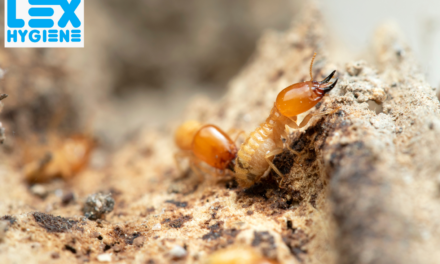
Before you start your furniture termite treatment, you must identify exactly what you are dealing with. Understanding the pest helps you pick the right tool for the job. For a deeper look at the biology of these pests, read our article on understanding termite behavior.
- Drywood Termites: These are the #1 threat to your furniture. Unlike other types, they do not need to touch the ground or soil. They live their entire lives inside the wood.
- The “Frass” Clue: If you see piles of tiny, sand-like pellets near your furniture, you have found “frass.” This is termite waste. The University of Florida IFAS Extension (source) explains that these small, granular, wood-colored pellets are a classic sign of drywood infestation.
- The Sound Test: Gently tap on the wood surface with a screwdriver or your knuckles. If the wood sounds hollow or “papery,” it means the termites have eaten out the inside, creating tunnels called galleries.
Why Targeted Spot Treatment is Your Best Solution
Many people panic and think they need to tent their entire house for termites. For a single piece of wood, that is usually a mistake. A targeted furniture termite treatment is often much more effective and affordable. If the infestation is widespread, you might consider professional termite control services to ensure the safety of your home.
- Spot Treatment vs. Fumigation: Tenting your home is a massive project. It is expensive, requires you to move out, and is overkill if the bugs are only in one dresser.
- Localized Injections: Experts at the National Pest Management Association (source) recommend localized injections. By using professional tools, you can inject foam or liquid directly into the galleries where the termites are hiding.
- Cost-Effective: Choosing a spot treatment saves you thousands of dollars while protecting your specific investment piece.
How to Apply Wooden Furniture Termite Spray Safely
If you have a wooden furniture termite spray, you need to know how to use it the right way. Using the wrong method will just waste your time and leave the bugs alive.
“Always use EPA-registered products. These are tested for safety and effectiveness.”
- Use Professional-Grade Chemicals: Look for products that contain borates or non-repellent termiticides. These are far more effective than “home hacks” like vinegar or oils.
- Follow the Wood: You must find the tiny exit holes—the places where the “frass” is falling out—and inject the spray directly into those openings.
- Unfinished Wood: If you are treating the inside of a drawer or an unfinished back panel, you can apply a light mist to the surface to create a protective barrier.
Advanced Termite Protection for Wardrobes
Large storage units, especially those against walls, are high-risk zones. Providing proper termite protection for wardrobes is essential because these pieces provide a perfect “micro-climate” for bugs.
- Check the Dark Zones: Regularly check the underside of the wardrobe legs and the back panel where the wood sits against the wall.
- Eliminate Moisture: Termites thrive in damp wood. A great way to boost your protection is to place a moisture absorber or a small wardrobe-safe dehumidifier inside.
- Move It: Every few months, pull the wardrobe away from the wall to inspect the floor and the back of the unit.
Action Checklist for Immediate Eradication
- Clean the Area: Use a vacuum to remove all “frass” pellets.
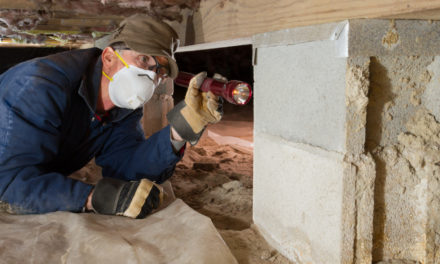
- Inspect Everything: Check every joint, leg, and corner. Use a flashlight to see into cracks.
- Inject the Galleries: Apply your spray directly into the exit holes.
- Seal and Monitor: Wood-fill the holes after treatment to monitor for new activity.
- Long-Term Plan: Keep up with your routine checks for at least 30 days.
Frequently Asked Questions
- Do I need to throw away furniture if I find termites?
Not necessarily. If the structural integrity is still sound, a targeted furniture termite treatment can often save the item.
- How can I tell if the termites are still active?
After cleaning up the “frass,” monitor the area. If new pellets appear within a few days or weeks, the colony is still active and requires further treatment.
- Are there natural ways to treat furniture?
While some people try essential oils, they are rarely effective against established colonies. Always opt for EPA-registered, science-backed solutions for guaranteed results.