Achieving Termite Proof Construction: A Comprehensive Guide to Termite Prevention for New Buildings
Estimated reading time: 10–13 minutes
Key Takeaways
- Proactive termite prevention for new buildings is *significantly more effective and cost-efficient* than treating infestations later.
- Understanding termite behavior and their common entry points is crucial for designing effective defenses.
- Integrating *physical barriers* (mesh, granular, membranes) and *chemical treatments* (soil treatments, impregnated materials) provides the strongest protection.
- Smart design choices and meticulous workmanship, such as proper drainage and sealed penetrations, are essential for true termite proof construction.
- Engaging *licensed pest management professionals* is paramount for correct installation and long-term warranties.
Table of Contents
- Achieving Termite Proof Construction: A Comprehensive Guide to Termite Prevention for New Buildings
- Key Takeaways
- 1. Why Proactive Termite Prevention is Paramount for New Buildings
- 2. Understanding the Threat: How Termites Target New Constructions
- 3. Core Strategies for Termite Proof Construction (Physical Barriers)
- 4. Advanced Methods for Termite Proof Construction (Chemical & Integrated Approaches)
- 5. Design and Workmanship: Crucial Elements in Termite Prevention for New Buildings
- 6. Choosing the Right Termite Proofing Solution & Professional Help
- Conclusion
- Frequently Asked Questions
Imagine building your dream home, only for tiny, hidden invaders to start eating it from the inside out. This is the silent threat of termites. These tiny pests can cause massive damage, weakening structures and costing homeowners huge amounts of money. It’s a truly devastating problem.
Many people think that termite issues only happen in old, run-down houses. But this isn’t true at all. New buildings are just as, if not more, open to termite attacks if they aren’t properly protected right from the start. Termites don’t care if a house is old or brand new; they only care about finding food and shelter.
The most important thing to know is that termite prevention for new buildings is much better than fixing a termite problem later. When you plan for termite proof construction during the design and building stages, it’s far more effective, lasts longer, and costs less than trying to get rid of termites after they’ve moved in. A strong, long-lasting defense against these pests comes from using many different methods together. This integrated approach is key to truly achieving termite proof construction.
This guide will walk you through everything you need to know. We’ll cover different strategies, special materials, and smart design choices that will help make your new home a fortress against termites. You’ll learn how to build a home that is genuinely termite-proof from the ground up.
1. Why Proactive Termite Prevention is Paramount for New Buildings
Stopping termites before they can even start is *critical* for any new home. Thinking ahead and putting termite prevention for new buildings in place early saves a lot of trouble and expense later on. It’s all about protecting your investment and your peace of mind.
1.1. Financial Implications of Termite Damage
Termites can cause major damage to a home. This can lead to very high repair costs. They can chew through wooden beams, floors, and walls, making your house unsafe. This damage can also make your property worth less money if you ever want to sell it.
Think about it: fixing a termite problem after they’ve invaded can cost thousands of dollars, sometimes even tens of thousands. You might need to replace entire sections of your home’s structure. On the other hand, putting preventative measures in place during new construction is usually much cheaper. It’s a small cost upfront that saves you from a massive bill later. This makes termite proof construction a smart financial decision.
(Source: University of Florida IFAS Extension, National Pest Management Association – NPMA)
1.2. Long-term Protection & Peace of Mind
Building strong termite barriers right from the start means your home has lasting protection. This pest control helps keep your home’s structure safe for many years to come. It protects your biggest investment – your house – and gives you great peace of mind. You won’t have to worry constantly about hidden invaders chewing through your walls. Knowing your home is safe from subterranean pests allows you to enjoy it fully, confident in its structural integrity.
(Source: NPMA)
2. Understanding the Threat: How Termites Target New Constructions
To build a truly termite proof home, you first need to understand your enemy. Knowing how termites live and what they are looking for helps you create better defenses. It’s about understanding their habits and where your new building might be vulnerable.
2.1. Primary Threat: Subterranean Termites
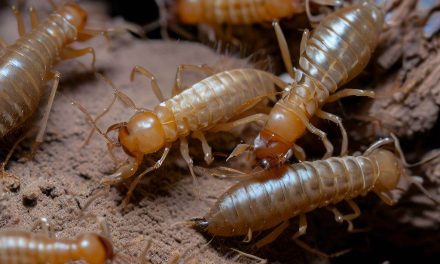
The most damaging types of termites are called subterranean termites. In places like Florida, species such as Reticulitermes and Coptotermes are very common and destructive. These insect pests live in huge colonies in the soil, sometimes with millions of individuals.
They are known for tunneling silently from the soil into buildings. They are always on the hunt for food, which for them is anything made of cellulose. This includes wood, paper, and even some fabrics. They can enter your home without you even seeing them, causing damage from the inside out. Their hidden nature makes termite prevention for new buildings incredibly important.
(Source: UF/IFAS Extension)
2.2. Key Entry Points & Vulnerabilities
Termites are very good at finding tiny openings to get into a building. Even though a new construction might seem sealed, there are often many ways for wood-eating insects to enter. These vulnerable areas are critical to address for effective termite proof construction.
Common ways termites exploit openings from the soil to the structure include:
- Cracks in the foundation: Even tiny hairline cracks in the concrete foundation or slab can be enough.
- Expansion joints: These are gaps left in concrete to allow for movement. Termites can use them as highways.
- Utility penetrations: These are spots where pipes, electrical wires, or other conduits go through the slab or walls. They create perfect pathways.
- Bath traps: These are openings left in the concrete slab for plumbing access under bathrooms. They are a common weak spot.
- Any wood-to-soil contact: If any part of the wood structure touches the ground, it’s an open invitation for termites. This includes things like wooden formwork left behind.
These are the places where termite prevention for new buildings needs to be strongest. Sealing and protecting these entry points is a must.
(Source: UF/IFAS Extension, CSIRO – Implied from general knowledge of CSIRO’s work in this area, specifically regarding physical barriers around penetrations.)
2.3. Susceptible Materials
Termites love cellulose. This is why they are often called wood-eating pests. Many parts of a house contain cellulose-based materials, which are a feast for termites. Understanding what they like to eat helps you protect those parts of your home, reinforcing termite defense.
Materials vulnerable to termites include:
- Timber framing: The wooden skeleton of your home.
- Flooring and subflooring: The layers beneath your carpets or hardwood.
- Wall linings: Gypsum boards (drywall) have paper facings that termites will eat.
- Cabinetry: Wooden kitchen or bathroom cabinets.
- Even paper facings on drywall: The thin paper covering on drywall panels is a food source.
Any organic material that contains cellulose can be a target. This means almost any wooden part of your house is at risk if not properly protected as part of a termite prevention for new buildings strategy.
(Source: UF/IFAS Extension)
3. Core Strategies for Termite Proof Construction (Physical Barriers)
Physical barriers are like building a fortress wall that termites cannot cross. These non-chemical methods are a cornerstone of termite proof construction. They are designed to physically block wood-destroying insects from getting into your home. These types of termite control are often installed during the early stages of building, even before the concrete is poured.
3.1. Foundation & Site Preparation
Before any concrete is poured or walls go up, the land where your house will stand needs careful preparation. This is the first and most basic step in termite prevention for new buildings. A clean and well-prepared construction site makes a huge difference.
- Debris Removal: This is a super important step. The construction site must be completely cleaned of all wood debris, old tree stumps, roots, and any leftover wooden formwork. These things are like ringing a dinner bell for termites. Removing them takes away their potential food sources and places to nest, which is fundamental for good termite proof construction. If any wood is left in the soil, termites will find it, build a colony, and then spread to your new house.
(Source: UF/IFAS Extension, NPMA)
- Proper Drainage & Grading: Water attracts termites. They need moisture to survive and thrive. That’s why making sure water drains away from your house is crucial. The ground around your foundation should slope away from the building. A good rule is at least 6 inches of slope for the first 10 feet away from the foundation. This stops water from pooling around the base of your home. Water accumulation can also wash away or weaken chemical termite barriers, so good site grading helps everything work better. This proper moisture management is a key part of effective termite prevention for new buildings.
(Source: UF/IFAS Extension, International Residential Code – IRC)
3.2. Installation of Physical Termite Barriers
These physical termite barriers are non-chemical ways to block termites. They are best installed before you pour any concrete, creating a continuous protective layer.
- Stainless Steel Mesh (e.g., Termimesh): Imagine a super-fine net made of marine-grade stainless steel. This termite barrier has openings so tiny that termites simply cannot squeeze through them. It’s installed as a continuous barrier around things like pipe penetrations, along the edges of the concrete slab, and at any construction joints. This acts as a physical wall that subterranean pests cannot breach, making it a very effective part of termite proof construction.
(Source: CSIRO Australia – Implicitly supports the effectiveness and origin of such technologies.)
- Granular Barriers (e.g., Basaltic Rock): This method uses a layer of small, specially shaped rock particles. These are often made from basalt and are very precise in size, typically between 1.7 to 2.4 millimeters. This layer is placed underneath and all around the foundation. The rocks are too dense and too small for termites to tunnel through or navigate around. They essentially create a loose rock barrier that is impassable to termites, offering strong pest exclusion for your foundation.
(Source: Research studies on physical barriers, CSIRO – CSIRO has conducted significant research in this area.)
- Durable Plastic Membranes/Chemically Impregnated Sheeting: These are tough, waterproof sheets of plastic. They are installed under the concrete slab or as continuous strips around the foundation. These membranes serve a dual purpose: they block moisture from coming up through the ground, and they also act as a physical termite barrier. Some special versions of these membranes are even soaked with termiticides, giving them extra chemical termite protection to stop wood-boring insects from getting through. This creates a powerful, combined defense in termite proof construction.
(Source: Product manufacturers, building standards)
3.3. Structural Materials for Termite Proof Construction
The materials you choose for your home’s frame can also play a big role in keeping termites away. Selecting termite-resistant materials adds another layer of defense.
- Naturally Resistant Timbers: Some types of wood have natural chemicals in them that termites don’t like. The heartwood (the dense, central part) of certain trees like redwood, cypress, and some cedars can be naturally termite resistant. However, it’s very important to know that the sapwood (the softer, outer part) of these same trees is usually still vulnerable to termite attack. So, if using these woods, make sure it’s primarily heartwood.
(Source: UF/IFAS Extension)
- Treated Timber: This is wood that has been specially processed. It’s put under pressure to force termiticide preservatives deep into the wood fibers. Common preservatives include ACQ (Alkaline Copper Quaternary) and MCA (Micronized Copper Azole). This pressure-treated lumber is very effective at stopping termites and is especially important for any structural wood that touches the soil or is near potential entry points. Using treated wood for foundation sills, deck posts, or other vulnerable parts is a key element of termite prevention for new buildings.
(Source: UF/IFAS Extension)
- Non-Timber Framing: One of the best ways to reduce termite risk is to simply remove their main food source: wood. Building your home’s main structure using materials like steel framing or concrete blocks instead of wood significantly reduces its vulnerability to termites. These alternative building materials offer a huge advantage in termite proof construction because they contain no cellulose for termites to eat. This pest-resistant design choice can provide exceptional long-term protection.
(Source: NPMA, building industry guidelines)
4. Advanced Methods for Termite Proof Construction (Chemical & Integrated Approaches)
Beyond physical barriers, there are advanced chemical and integrated strategies that offer powerful termite protection for new homes. These pest management techniques often involve treating the soil or using specialized building materials to create a chemical barrier against subterranean pests.
4.1. Pre-Construction Chemical Soil Treatments
This is one of the most common and effective ways to stop termites before a building is even finished. It involves treating the soil before concrete is poured, creating a protective zone.
- Application: Liquid termiticides are used for this process. There are two main types: repellent termiticides, which termites avoid, and non-repellent termiticides, which termites can’t detect and will walk through, picking up the poison. Examples include fipronil, chlorantraniliprole, and bifenthrin. These chemicals are carefully applied to the soil beneath the entire concrete slab, around the foundation perimeter, and at all vital entry points like pipe penetrations. This happens before any concrete is poured for the slab or foundation walls. This thorough soil treatment creates a powerful shield, which is a critical step in termite prevention for new buildings.
(Source: UF/IFAS Extension, U.S. Environmental Protection Agency – EPA)
- Mechanism: The chemicals work in different ways. Non-repellent types allow termites to pass through the treated soil without knowing it’s there. As they do, they pick up the termiticide and carry it back to their colony, spreading it to other termites and eventually killing the entire group. Repellent types, on the other hand, create a barrier that termites simply don’t want to cross. They detect the chemical and turn away, preventing them from reaching your home. Both methods effectively form a protective chemical barrier for termite proof construction.
(Source: UF/IFAS Extension)
- Crucial Factors: For these treatments to work, the application must be done perfectly. It needs to be thorough and continuous, without any gaps. The pest control professional must follow the product label rates and patterns strictly. The effectiveness and longevity of these soil treatments vary depending on the specific product used and the soil conditions at your site. Typically, these treatments can last anywhere from 5 to 10 years, providing robust termite defense for that period.
(Source: UF/IFAS Extension, EPA)
4.2. Termiticide-Impregnated Building Materials
Some building materials are now made with termiticides already mixed in. This offers another layer of localized protection. For instance, you can find specialized insulation boards, foam boards, or vapor barriers that have integrated termite-killing chemicals. When these materials are used in construction, they provide direct, localized termite proof construction wherever they are installed, deterring wood-destroying insects from those specific areas.
(Source: Specific product information, building materials industry)
4.3. Baiting Systems
While termite bait systems are often used to get rid of active termite infestations, they can also be part of a proactive termite prevention for new buildings plan. Termite monitoring stations can be strategically placed around the exterior of your new construction. These stations contain wood or other cellulose material that termites like to eat. If termites start feeding in these stations, it means they are active nearby. Once detected, the bait can be replaced with a termiticide bait that termites carry back to their colony, eventually eliminating it. This system acts as an early warning and elimination tool, offering ongoing termite surveillance and protection.
(Source: UF/IFAS Extension)
5. Design and Workmanship: Crucial Elements in Termite Prevention for New Buildings
Even the best termite barriers and treatments won’t work perfectly without smart design choices and high-quality building work. How a home is designed and how carefully it’s built are huge factors in creating true termite proof construction. Good building practices are essential for long-term protection against wood-eating pests.
5.1. Slab Edge Exposure
It’s vital to keep an exposed and clear foundation slab edge. This means the edge of your concrete foundation or slab should be visible and not covered by soil, landscaping, or other materials. Typically, this exposed edge should be at least 6 inches above the ground level, or as required by your local building codes. Why is this important? Because it allows for easy visual inspection. Termites often build distinctive mud tubes as they travel from the soil to your home. An exposed slab edge makes these termite pathways easy to spot, allowing for early detection and intervention, which is a vital aspect of termite prevention for new buildings.
(Source: IRC, UF/IFAS Extension)
5.2. Pipe and Utility Penetrations
Anywhere a utility line – like a water pipe, electrical conduit, or drain pipe – passes through the concrete slab or foundation walls is a potential weakness. These utility penetrations are common points of failure where termite barriers can be breached. It is absolutely essential that all these entry points are *meticulously sealed*. This can be done with termite-resistant collars, specialized sealants, or other approved materials. Highlighting these as critical points means focusing extra attention here during construction to ensure thorough termite proof construction. Poorly sealed penetrations can undo all other termite control efforts.
(Source: UF/IFAS Extension, CSIRO – CSIRO’s research on physical barriers often highlights penetrations as critical points.)
5.3. Moisture Management
Termites need moisture to survive and thrive. A damp environment is like a welcome mat for these subterranean pests. Therefore, *excellent* moisture management is a key design consideration for termite prevention for new buildings. This involves:
- Proper gutters and downspouts: Make sure your gutters and downspouts are installed correctly and direct rainwater far away from your foundation.
- Adequate ventilation in crawl spaces: If your home has a crawl space, ensure it has plenty of airflow to prevent moisture accumulation. Damp, humid crawl spaces are highly attractive to termites.
By controlling soil moisture and preventing standing water, you make your home much less appealing to termites, enhancing your termite-resistant design.
(Source: UF/IFAS Extension)
5.4. Wood-to-Soil Clearance
Untreated wood should *never, ever* touch the soil. This is a golden rule in termite proof construction. All untreated wood in the structure must be isolated from direct soil contact. This can be achieved by using concrete, pressure-treated wood, or other approved methods as a barrier. A common guideline is to maintain at least an 8-inch clearance between untreated wood and the soil, though you should always check your local building codes for specific requirements. This clearance guideline is a fundamental aspect of preventing wood-destroying organisms from finding an easy path into your home.
(Source: IRC, UF/IFAS Extension)
5.5. Meticulous Construction
Even with all the right materials and design ideas, poor workmanship can create serious vulnerabilities. Any unsealed gaps, cracks, or imperfections in the foundation or concrete slab can become tiny gateways for termites. These small flaws can easily compromise the effectiveness of even the best termite barriers and treatments. It’s incredibly important that high-quality workmanship is maintained throughout the entire construction process. Every detail matters. A well-built home with careful attention to sealing all potential entry points is essential for true termite proof construction.
(Source: NPMA)
6. Choosing the Right Termite Proofing Solution & Professional Help
Deciding on the best termite protection strategy for your new build can seem complex, but it doesn’t have to be. The key is to consider several factors and, most importantly, to partner with experienced professionals. This ensures your termite proof construction is done right.
6.1. Factors to Consider
When selecting termite prevention methods, think about these points:
- Local Termite Pressure: How common and aggressive are termites in your specific area? Some regions have much higher termite risk than others.
- Specific Building Codes: Your local building department will have minimum requirements for termite protection. Make sure your chosen methods meet or exceed these.
- Budget: Different termite control solutions come with different costs. Find a balance between effectiveness and what you can afford.
- Environmental Considerations: Some homeowners prefer non-chemical termite treatments. Discuss these options with your builder and pest management professional.
- Desired Longevity: How long do you want the termite proof construction protection to last? Some treatments offer longer-term defense than others.
By weighing these factors, you can make an informed decision for effective pest control tailored to your new construction.
(Source: NPMA, UF/IFAS Extension)
6.2. Professional Expertise is Paramount
Trying to handle termite proofing yourself is *not a good idea*. This is a job for experts. It is absolutely necessary to engage licensed, certified, and experienced pest management professionals. They are the ones who truly understand termite behavior and the best ways to stop them.
Their roles include:
- Assessing specific risks: They will examine your building site for particular termite vulnerabilities and local conditions.
- Recommending and correctly installing appropriate barriers: They know which physical barriers will work best and how to install them perfectly.
- Safely and effectively applying chemical treatments: Termiticides must be applied precisely according to product labels and environmental regulations. Professionals ensure this is done correctly and safely, guaranteeing optimal termite prevention for new buildings.
Choosing the right termite control company is as important as choosing the right builder. Their expertise is your best defense.
(Source: NPMA, EPA, UF/IFAS Extension)
6.3. Warranties and Guarantees
Reputable pest management professionals and companies often provide warranties or guarantees for their pre-construction termite treatments. These can offer significant additional peace of mind. A warranty means that if termites somehow manage to get past their protection within a certain timeframe, the company will come back and retreat your home at no extra cost. This guarantee speaks to the confidence they have in their termite proof construction services and further protects your home investment. Always ask about warranties when getting quotes.
(Source: NPMA)
6.4. Adherence to Building Codes
It’s not just about doing what’s best; it’s also about doing what’s required by law. Adherence to local building codes is mandatory for all new constructions. These codes often specify the minimum termite protection requirements, especially in areas known for high termite activity. Your builder and pest control professional should be fully aware of and comply with all relevant building regulations to ensure your termite prevention for new buildings strategies are up to standard.
(Source: IRC, local building departments)
Conclusion
Building a new home is an exciting journey, and ensuring its long-term protection from destructive pests like termites is a vital part of that process. Achieving successful termite prevention in new buildings isn’t about using just one method; it requires an integrated, multi-faceted approach. This means careful planning, selecting the right termite-resistant materials, meticulous construction, and, most importantly, the expertise of certified pest management professionals right from the very beginning.
Don’t wait until you see signs of damage. Take action now. We encourage all prospective homeowners and builders to consult with their builders and pest management professionals early in the new construction process. By doing so, you can ensure your beautiful new home is safeguarded against termites, standing strong and lasting for generations through effective termite proof construction. Protect your investment, ensure its structural integrity, and enjoy the peace of mind that comes with a truly termite-proof home.
Frequently Asked Questions
-
Q: Is pre-construction termite treatment really necessary for new homes?
A: Absolutely. Termites can infest new homes just as easily as old ones. Pre-construction treatment creates a protective barrier from day one, offering much more effective and cost-efficient protection than trying to remediate an infestation later. It’s a proactive step that safeguards your investment.
-
Q: How long do chemical soil treatments last?
A: The longevity of chemical soil treatments varies depending on the specific product used, soil type, and environmental conditions. Typically, they can last anywhere from 5 to 10 years. Always consult with your pest management professional for specific product lifespan and warranty information.
-
Q: Can I use naturally resistant wood to make my home termite-proof?
A: While some woods like redwood or cypress heartwood have natural termite resistance, their sapwood is still vulnerable. Relying solely on these materials is not sufficient for complete termite proofing, especially in high-risk areas. An integrated approach combining physical barriers, chemical treatments, and proper design is always recommended.
-
Q: What is the most important design aspect for termite prevention?
A: Many design aspects are crucial, but preventing wood-to-soil contact and ensuring proper moisture management (drainage, ventilation) are arguably the most critical. Termites need both wood and moisture to thrive, so eliminating these direct pathways and damp conditions significantly reduces their attraction to your home.
-
Q: Should I get a warranty for termite treatment?
A: Yes, always ask for a warranty or guarantee from your pest management professional. Reputable companies offer these for pre-construction treatments, providing peace of mind that if termites somehow breach the protection within the warranty period, the company will re-treat at no additional cost. This protects your investment further.