Termite Season in India: A Comprehensive Guide to Protecting Your Home During Monsoon and Swarming Events
Estimated reading time: 8–12 minutes
Key Takeaways
- Termites are “silent destroyers” that can cause extensive structural damage to homes in India.
- Understanding termite season India, particularly the link between the monsoon season and heightened activity, is crucial for homeowners.
- The pre-monsoon, monsoon, and post-monsoon periods (May-October) are peak times for termite activity and termite swarming season.
- High moisture and humidity during the monsoon create ideal conditions for termites to thrive, expand colonies, and increase infestation risks.
- Key signs of infestation include mud tubes, discarded wings, hollow-sounding wood, frass, and warped doors/windows.
- Proactive preventive measures, such as moisture control, sealing cracks, and proper wood storage, are essential.
- Professional termite control is vital for effective and long-term protection, as DIY methods are often ineffective against hidden, vast colonies.
Table of Contents
- Termite Season in India: A Comprehensive Guide to Protecting Your Home During Monsoon and Swarming Events
- Key Takeaways
- Understanding Termite Season: General Environmental Triggers
- Termite Season in India: A Regional Focus
- The Pivotal Role of Monsoon in Termite Infestation
- Termite Swarming Season: The Alates’ Reproductive Flight
- Key Signs of Termite Infestation (Especially During Peak Season)
- Proactive Preventive Measures During Termite Season
- When to Call Professional Termite Control Experts
- Conclusion
- Frequently Asked Questions
Termites are often called “silent destroyers” for a very good reason. These tiny pests can cause a huge amount of structural damage to your home, often without you even noticing until it’s too late. This hidden threat makes it super important for every homeowner in India to really understand termite season India.
Knowing when termites are most active helps you protect your biggest investment: your home. This blog post will dive deep into the special environmental factors that make termites so busy across different parts of India. We’ll show you the crucial link between India’s famous monsoon season and a big jump in termite activity, including those dramatic termite swarming season events. Get ready for a full guide to help you keep your home safe!
Understanding Termite Season: General Environmental Triggers
Globally, termites don’t just become more active for no reason. Their increased activity is mostly kicked off by perfect conditions in nature. These tiny insects need the right environment to thrive and expand their colonies.
What are these perfect conditions? They’re usually a mix of warm temperatures and high humidity. Think of a tropical day – that’s often what termites love!
Let’s look at why these conditions are so good for them:
- Survival: Warm and damp surroundings help termites stay alive. They don’t dry out (this is called desiccation) when there’s enough moisture in the air and soil. Termites are very sensitive to dryness, so a moist environment is key for them to keep going strong.
- Quick Reproduction: Warm weather speeds up how fast termites grow and how often they have babies. Higher temperatures mean their bodies work faster, leading to more breeding cycles and quicker colony growth. A colony can expand much faster when it’s warm.
- Easy Foraging: Moisture in the soil makes it soft. For subterranean termites, which are very common in India, soft soil is a huge help. It allows them to dig and build their mud tubes much more easily. These mud tubes are their protected highways to find food.
- Healthy Colony Life: Water isn’t just for building tubes; it’s vital for the whole termite colony to stay healthy. Termites need moisture for their bodies to work properly and to help them digest the cellulose (wood and plant material) they eat. Without enough moisture, their entire social structure and food-gathering efforts would fail.
So, when you hear about termite season, remember it’s all about those ideal warm and wet conditions that make these pests particularly active and destructive.
Termite Season in India: A Regional Focus
While termites are a constant worry throughout the year in warm, humid places like India, their activity really ramps up during certain times. It’s important to know these peak periods to protect your home.
The main termite season in India typically runs from late spring right through the monsoon and post-monsoon months. This usually means from around May to October. During these months, you’ll see a noticeable increase in termite activity across the subcontinent.
Let’s break down these important phases of activity:
- Pre-Monsoon (May-June): As temperatures start to climb and humidity slowly rises, termites begin to get more active. This period sees an initial burst in their foraging efforts. They are looking for new food sources and expanding their tunnels, getting ready for the heavy rains. This is a crucial time to be watchful for early signs of their presence.
- Monsoon (July-September): This is by far the most critical time for high termite activity. The heavy rains and super high humidity create the perfect storm for these pests. It’s during the monsoon that you’ll most likely see intense termite damage and, importantly, the start of the termite swarming season. We’ll talk more about swarming soon, but remember, the monsoon is their prime time.
- Post-Monsoon (October): Even after the heaviest rains stop, there’s still a lot of moisture left in the ground and air. This, combined with lingering warmth, continues to support strong termite activity. They’re still busy expanding their colonies and feasting on wood before the slightly cooler, drier winter months finally arrive.
India is a huge country with many different weather patterns, called microclimates. Because of this, when and how intensely termites are active can vary from one region to another. For example:
- Coastal regions (like Mumbai or Chennai) often have high humidity all year round. This means they might experience longer periods of intense termite activity compared to places further inland.
- Even drier inland areas (like parts of Rajasthan or Madhya Pradesh), which don’t get as much rain, will still see big spikes in termite activity during their short rainy seasons. The termites simply take advantage of whatever moisture they can get.
Understanding these regional differences helps homeowners know exactly when to be most alert for a potential termite invasion. Being aware of the local termite season India patterns is your first line of defense against these wood-eating insects.
The Pivotal Role of Monsoon in Termite Infestation
The arrival of the monsoon season in India isn’t just about beautiful rains and cooler weather; it also plays a huge role in boosting termite infestation monsoon activity across the entire country. The heavy downpours and humid air create the perfect conditions for termites to thrive and make their colonies even bigger and stronger.
Let’s look at the specific ways the monsoon impacts termites:
- Increased Moisture: When it rains heavily, the soil gets really soft. This is fantastic news for subterranean termites. Soft soil makes it much easier for them to build and extend their protective mud tubes. These tubes are like sealed highways that connect their underground nests to their food sources – which, unfortunately, is often the wood in your home. Rainwater also soaks into wood and other materials that contain cellulose (like paper or fabric). When wood is damp, it becomes much easier for termites to chew through, digest, and consume. It’s like eating a soft cookie instead of a hard biscuit for them!
- Optimal Humidity: The air during the monsoon is thick with humidity. This high atmospheric humidity is vital for termites because it drastically reduces their risk of drying out. Termites are very delicate and can easily lose moisture from their bodies. With high humidity, they can move around more freely, explore new areas above ground, and expand their search for food and new places for their colony to grow, without the fear of desiccation.
- Weakened Structures: The monsoon can sadly make existing problems in your home even worse, making it more vulnerable to termite attacks.
- Water Leaks: Rain can highlight or worsen leaky roofs and plumbing pipes. These leaks create damp spots inside walls, ceilings, and foundations.
- Damp Foundations: Constant rain can saturate the ground around your home’s foundation, leading to dampness that attracts termites.
- Soaked Wooden Structures: Wooden door frames, window sills, and other parts of your home that get wet frequently become prime targets. The softened, moist wood is an open invitation for termites to start their destructive work.
In short, the monsoon season acts as a powerful catalyst for termite infestation monsoon challenges. It provides everything termites need: soft soil for tunneling, moist wood for eating, and a humid environment for survival. This is why vigilance during these months is not just recommended, but absolutely essential for every homeowner.
Termite Swarming Season: The Alates’ Reproductive Flight
Among all the signs of termite activity, the termite swarming season is particularly alarming and a clear warning sign of a serious problem. It’s a critical phase that homeowners need to understand.
So, what is swarming? It’s the reproductive stage of termites. During this time, winged termites, often called “alates” or “swarmers,” come out in large numbers from mature, well-established colonies. Think of it as a mass exodus from the main nest.
Their main goal is quite simple: they want to find mates. Once they’ve found a partner, they shed their wings and then try to start brand new colonies. This is how termites spread and create new infestations, making their species grow stronger.
In India, the termite swarming season usually happens either just before, or more commonly, right after the first heavy rains of the monsoon. The sudden change in the air, like a drop in atmospheric pressure, mixed with high humidity, sends a strong message to the mature termite colonies. It tells them that conditions are perfect for their reproductive flight. You’ll often notice these swarmers being strongly attracted to light sources in the evenings, flying around streetlights, lamps, or even inside your home if windows or doors are left open.
It’s important to know what these swarmers look like so you don’t confuse them with flying ants, which can look similar. Here’s how to tell the difference:
- Antennae: Termite swarmers have straight antennae. Flying ants usually have bent or “elbowed” antennae.
- Waist: Termites have a thick, straight waist. Flying ants have a very thin, pinched waist, almost like an hourglass.
- Wings: Termite swarmers have two pairs of wings that are roughly the same size and length. Flying ants have two pairs of wings, but their front wings are noticeably longer than their back wings.
Spotting these winged insects, or even more commonly, finding their discarded wings, is a huge clue. It tells you that there’s a mature, actively reproducing termite infestation nearby. These shed wings are often found near windowsills, doorways, or light fixtures where the swarmers have dropped them after finding a mate or trying to enter your home. This is a definite red flag, showing that a hidden colony is growing and multiplying. The monsoon period especially increases the chances of seeing these winged invaders.
Key Signs of Termite Infestation (Especially During Peak Season)
Being able to spot the signs of termite infestation early is very important for every homeowner. It’s even more crucial to be extra watchful during the peak termite season India. The sooner you notice a problem, the less damage these “silent destroyers” can do.
Here are the key tell-tale signs you should be vigilant for:
- Mud Tubes:
- Description: These are pencil-sized, tunnel-like structures. They are made from a mix of soil and wood particles. You’ll often see them on foundation walls, concrete slabs, wooden beams, or sometimes even running up inside walls.
- Function: These mud tubes are essential for subterranean termites. They provide a protected, humid pathway, shielding the termites from dry air and predators as they travel between their underground colony and their food source – which is often the wood in your home. Seeing these is a strong indicator of active termites.
- Discarded Wings:
- Description: These are small, delicate, and translucent wings. You’ll typically find them scattered near windowsills, doorways, light fixtures, or sometimes caught in spiderwebs.
- Origin: As we learned, these wings are shed by alates (swarmers) after their reproductive flight. Once they’ve found a mate and are ready to start a new colony, they no longer need their wings. Finding these indicates a recent swarm and a mature termite colony nearby.
- Damaged Wood:
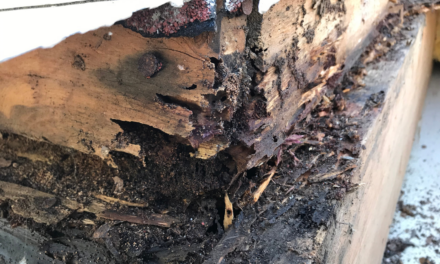
- Signs: If you tap on wood and it sounds hollow, that’s a big warning sign. Other clues include wood that has visible blistering or darkening on its surface. You might also see wood that looks like it’s riddled with intricate tunnels and galleries just underneath the surface, indicating the termites are eating it from the inside out.
- Action: Take a screwdriver or a similar tool and gently probe any areas of wood that look suspicious or sound hollow. If the wood feels soft or crumbles easily, it’s likely been damaged by termites.
- Frass (Termite Droppings):
- Description: These are small, pellet-like droppings. They can often look like sawdust, coffee grounds, or fine sand.
- Indicator: Frass is mainly linked to drywood termites, not subterranean termites (which create mud). If you find these tiny pellets, it strongly suggests there’s an active drywood termite infestation. The colour of the frass often matches the colour of the wood the termites are eating.
- Tight-fitting or Warped Doors/Windows:
- Indirect sign: While this isn’t always a sign of termites, it can be. The moisture that subterranean termites bring into wooden structures can cause door frames and window sills to swell and warp. This leads to doors and windows that get stuck, become difficult to open, or don’t close properly. If you notice this happening without any other obvious cause (like general humidity changes), it’s worth investigating for termites.
Staying alert and checking your home regularly for these signs, especially during the height of termite season India, is your best strategy for catching an termite infestation early and preventing more serious damage.
Proactive Preventive Measures During Termite Season
Protecting your home from termites, especially during termite season India and the monsoon period, requires being proactive. You can take many practical steps to make your property less inviting to these destructive pests.
Here are crucial preventive measures to implement:
- Moisture Control: This is perhaps the most important step, as termites need moisture to survive.
- Repair promptly: Immediately fix any leaky faucets, dripping pipes, air conditioning units that leak water, and most importantly, any roof leaks. Even small drips can create dampness that attracts termites.
- Ensure proper drainage: Make sure rainwater always drains away from your house’s foundation. Use proper grading (sloping the ground away from the house) and downspout extenders to carry water several feet away.
- Maintain gutters: Keep your gutters and downspouts clean and free of leaves and other debris. Clogged gutters can overflow, causing water to pool against your foundation, creating a perfect environment for termite infestation.
- Address dampness: Ensure good ventilation and fix any persistent dampness in basements, crawl spaces, or utility areas. Consider using dehumidifiers in particularly moist areas.
- Seal Cracks and Entry Points: Termites are small and can squeeze through tiny openings.
- Thoroughly seal all visible cracks, crevices, and gaps in your home’s foundation, exterior walls, and around utility entry points (like where pipes or wires enter the house). Use a good quality sealant or caulk to close off these potential entryways.
- Regular Inspections: Don’t wait for signs of damage; actively look for them.
- Periodically conduct thorough inspections of all accessible wooden structures, your house foundation, and any damp or dark areas around your property. Look for mud tubes, discarded wings, or damaged wood.
- Proper Wood Storage: Cellulosic materials (like wood) are termite food.
- Store firewood, lumber, discarded wooden furniture, and any other cellulosic materials away from your house’s foundation. Ideally, elevate them off the ground (e.g., on a metal rack) to prevent direct wood-to-soil contact.
- Trim Vegetation: Plants near your home can be a problem.
- Keep shrubs, trees, vines, and other dense vegetation trimmed back and away from your house’s exterior walls. This prevents moisture buildup against the foundation and removes any potential “bridges” or direct contact points that termites could use to access your structure from the soil or garden.
- Avoid Wood-to-Soil Contact: Direct contact is an open invitation.
- Make sure no wooden elements of your house – such as siding, door frames, window sills, or deck supports – are in direct contact with the soil. Maintain at least a 6-inch gap between the soil and any wood to create a barrier.
- Improve Ventilation: Airflow helps reduce moisture.
- Ensure adequate cross-ventilation in attics, crawl spaces, and sub-floor areas. Good airflow reduces humidity levels, making these spaces much less attractive to termites and hindering the growth of termite infestation.
By diligently implementing these proactive measures, especially during the vulnerable monsoon and termite season India, you significantly reduce the risk of a termite infestation and help safeguard your property.
When to Call Professional Termite Control Experts
Understanding the destructive potential and often hidden nature of a termite infestation is crucial. This is especially true when you consider how rapidly termites can spread during termite swarming season. Attempting to handle termites yourself, using DIY solutions, is often ineffective and can lead to bigger problems.
Here’s why trying DIY solutions usually doesn’t work:
- Hidden Problem: Termites often live deep within the walls, foundations, or other inaccessible parts of your home. You can only see a small fraction of the problem on the surface.
- Vast Colonies: Termite colonies are huge, sometimes numbering in the millions. Most over-the-counter products only treat the termites you can see, or only affect a small surface area. This allows the main colony to continue thriving, growing, and causing damage unseen inside your structure.
- More Costly Damage: By delaying professional treatment with ineffective DIY methods, you give the termites more time to cause extensive and costly structural damage to your home. What might have been a small, manageable issue can quickly become a major repair bill.
This is why calling professional pest control experts is of paramount importance:
- At the First Sign: As soon as you see any indication of termites – whether it’s mud tubes, discarded wings, or damaged wood – it’s time to call the experts. Don’t wait!
- For Proactive Inspections: Even if you don’t see any signs, it’s highly recommended to have annual termite inspections, especially in areas prone to termite season India. Prevention and early detection are key.
Here are the solid benefits of bringing in professionals:
- Expert Identification and Behavior: Professionals possess the knowledge and training to accurately identify the specific species of termite you’re dealing with. They understand termite behavior, including their foraging habits, nesting preferences, and reproductive cycles. This expertise allows them to choose the most effective treatment strategy.
- Specialized Equipment: Termite control experts use specialized tools that aren’t available to the average homeowner. This includes moisture meters to detect hidden damp spots, thermal imaging cameras to locate hidden colonies within walls, and boroscopes to see inside difficult-to-reach areas without tearing your home apart.
- Effective and Targeted Treatments: Professionals employ a range of effective and targeted treatments that get to the root of the termite infestation.
- Bait Systems: These systems use bait stations strategically placed around your property. Termites feed on the bait, which they carry back to their colony, slowly eliminating the entire population.
- Liquid Termiticides: These are powerful chemicals applied to the soil around your foundation, creating a protective barrier that termites cannot cross or through which they pick up the active ingredient and transfer it to others in the colony.
- Physical Barriers: In some cases, physical barriers are installed during construction or renovation to prevent termites from entering the structure.
These methods are designed to eradicate the infestation efficiently and provide sustainable protection.
- Long-term Warranties and Monitoring: Reputable pest control companies often provide warranties for their termite treatments, giving you peace of mind. They also offer monitoring services to ensure the termites don’t return, providing long-term, reliable protection against significant structural damage, which is especially important during the active termite swarming season.
Choosing professional intervention is the smartest, most dependable, and ultimately most cost-effective way to protect your home from the silent and pervasive threat of termite infestation in India.
Conclusion
To wrap things up, understanding termite season India is absolutely vital for every homeowner. We’ve seen that the increased warmth before the monsoon, followed by the heavy rains themselves, creates the perfect conditions for accelerated termite activity and the crucial termite swarming season.
The monsoon period truly is a time of high vulnerability for homes. The added moisture and humidity make termite infestation monsoon a significant concern, making it easier for these wood-destroying pests to thrive and cause damage.
As a homeowner, your first line of defense is staying alert. Be vigilant for early signs like mud tubes on your foundation or discarded wings near windows. Putting proactive preventive measures into action, such as controlling moisture, sealing cracks, and storing wood properly, can go a long way in protecting your property.
However, for truly effective management and long-term, reliable protection against the serious structural damage termites can cause, partnering with professional pest control services remains the most dependable and ultimately cost-effective strategy. Don’t let these silent destroyers compromise the safety and value of your home. Act smart, act early, and get professional help.
Frequently Asked Questions
-
What is termite season in India and when does it occur?
Termite season in India refers to the period of increased termite activity, primarily from late spring through the monsoon and post-monsoon months, typically May to October. This is when warm temperatures and high humidity create ideal conditions for termites to thrive, forage, and reproduce.
-
Why is the monsoon season particularly critical for termite activity?
The monsoon season is critical because heavy rains soften the soil, making it easier for subterranean termites to build mud tubes. The high humidity prevents termites from drying out (desiccation), allowing them to move more freely. Additionally, the monsoon can lead to leaks and dampness in homes, making wooden structures more vulnerable to attack.
-
What are the key signs of a termite infestation?
Key signs include pencil-sized mud tubes on foundations or walls, discarded translucent wings (especially near windows or light sources), hollow-sounding or blistered wood, and small, pellet-like droppings called frass (often associated with drywood termites). Warped doors or windows can also be an indirect sign.
-
Why should I call professionals instead of using DIY methods for termite control?
DIY methods are generally ineffective because termites live in hidden, vast colonies. Over-the-counter products only treat surface termites, allowing the main colony to continue growing and causing damage. Professionals have the expertise, specialized equipment, and targeted treatments (like bait systems or liquid termiticides) to eradicate entire colonies and provide long-term protection, which is more cost-effective in the long run.